Rakshabandhan: A Bond That Goes Beyond the Thread
Rooted in stories from Draupadi and Krishna to Indra and Sachi, Rakshabandhan continues to symbolize trust, protection, care and enduring human bonds.
Total Views |


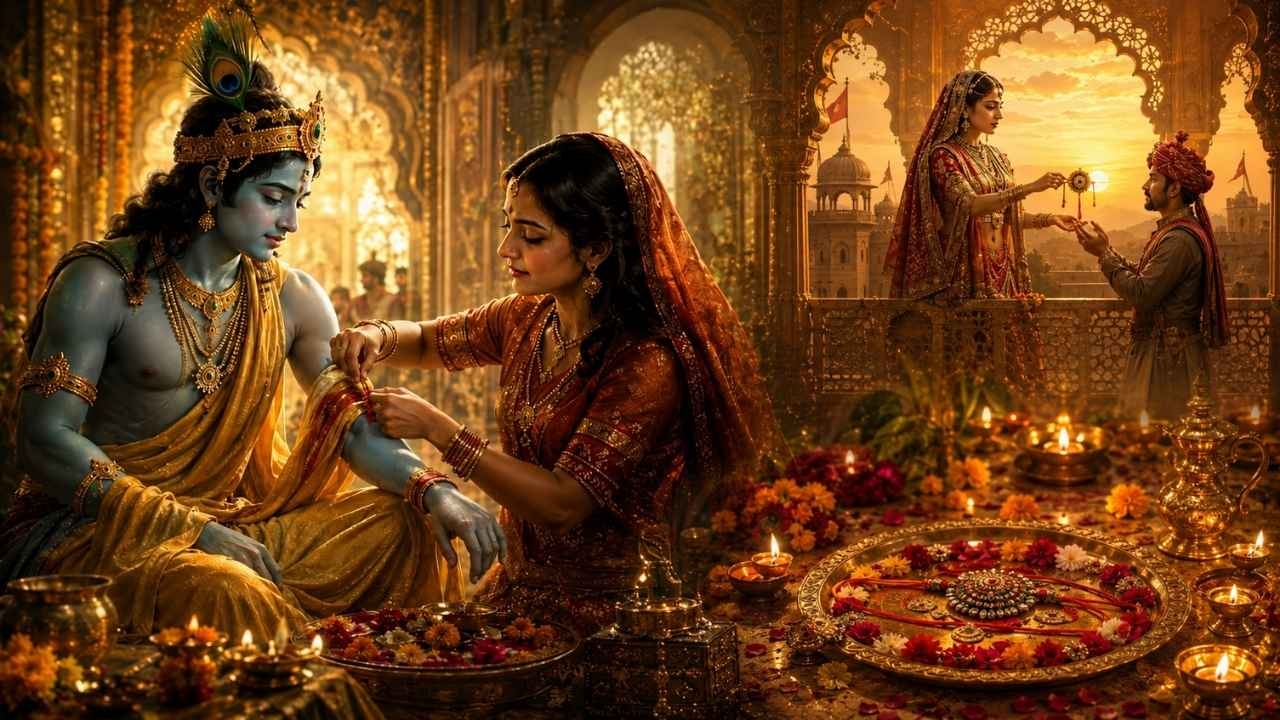
Across India, Rakshabandhan is being reinterpreted by young people as more than a sibling ritual, turning the annual festival into a broader celebration of care, trust, freedom and mutual protection.
Ask most people what Rakshabandhan means, and you’ll get the usual answer: a rakhi tied on the wrist, some sweets, maybe a gift, a day with family. Fair enough. But if you talk to young Indians today, you’ll notice the festival means something a little bigger to them. At its heart, it’s about care, trust and showing up for each other and honestly, we could all use more of that right now.
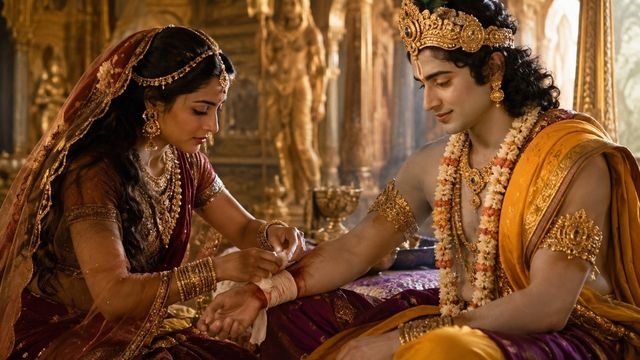
The origins of the festival go back centuries, and there isn’t just one story – there are several, each pointing to the same idea. One of the most popular stories of Draupadi tying a strip of cloth on Krishna’s wrist to stop him from bleeding, and Krishna promising to protect her in return reflects a promise he kept years later.
Another story goes back to when Indra - The King of Gods, was losing a war against demons, and his wife Sachi tied a sacred thread on his wrist for protection, which turned the battle in his favour.
Different stories, same thread running through them, shows protection is born out of trust, not obligation.
“Raksha” means protection. “Bandhan” means bond. Traditionally, it's the story of a brother promising to protect his sister. But let’s be real – protection was never meant to be a one-way street. The best sibling relationships don’t work like that. Sisters show up for their brothers too, in their own ways. Brothers cheer on their sisters' plans instead of just guarding them. That’s what actually makes the bond mean something.
There’s also a shift happening in how young people think about “protection” itself. It's not about having a say in who your sister’s friends are, or what she wears, or what job she takes. That’s control, not care.
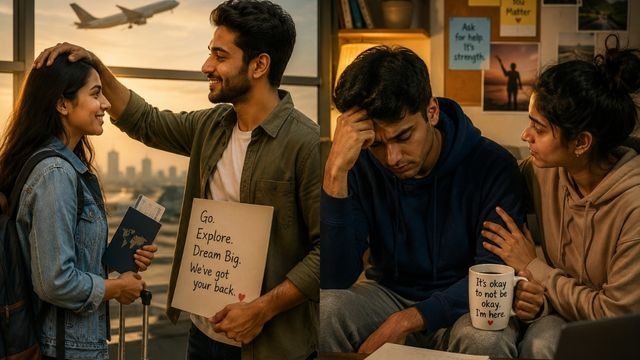
Real protection looks more like this: making someone feel safe enough to choose their own path. A brother who tells his sister to go study abroad, take that job, take that risk – he's living the spirit of Rakshabandhan far more than one who just worries about her “safety.” And a sister who tells her brother it’s okay to not be okay, and to ask for help – that’s the same thing, just flipped.
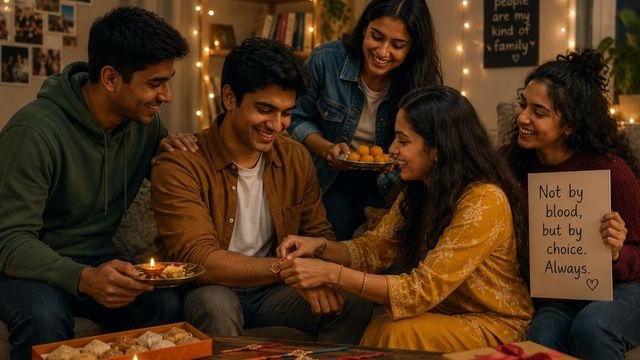
And this doesn’t have to be about biological siblings at all. Some of your closest people might be friends who’ve just become family over time – the ones who’ve seen you through a bad breakup, a rough semester, a job you hated. Rakshabandhan is as much a reminder for them.
We’re more “connected” than any generation before us, and somehow still lonelier. A festival like this is a small nudge to put the phone down and actually talk to someone. A real conversation beats a good gift, every time.
You could even take “raksha” further into standing up for people outside your own family. Calling out bullying. Speaking up when a friend’s being treated badly. Making a college or office feel a little safer for someone who’s struggling.
Click here to join The Narrative's WhatsApp channel!
So maybe the rakhi isn’t just a thread for one day. Maybe it’s a yearly reminder of something we should be doing all year: protecting each other not by holding on tight, but by helping each other live freely.
Written by
Dr. Smitha Shine