Manufacturing Victimhood: How Newslaundry Sanitises Maoist Networks and Whitewashes the ‘Urban Naxal’ Ecosystem
This report dismantles the carefully curated victim narrative built around Anand Teltumbde by sections of the media. By placing judicial records, investigative findings, and ideological networks back into the frame, it exposes how Maoist urban support systems are normalised, violence is erased, and readers are fed an incomplete, emotionally charged version of the truth.


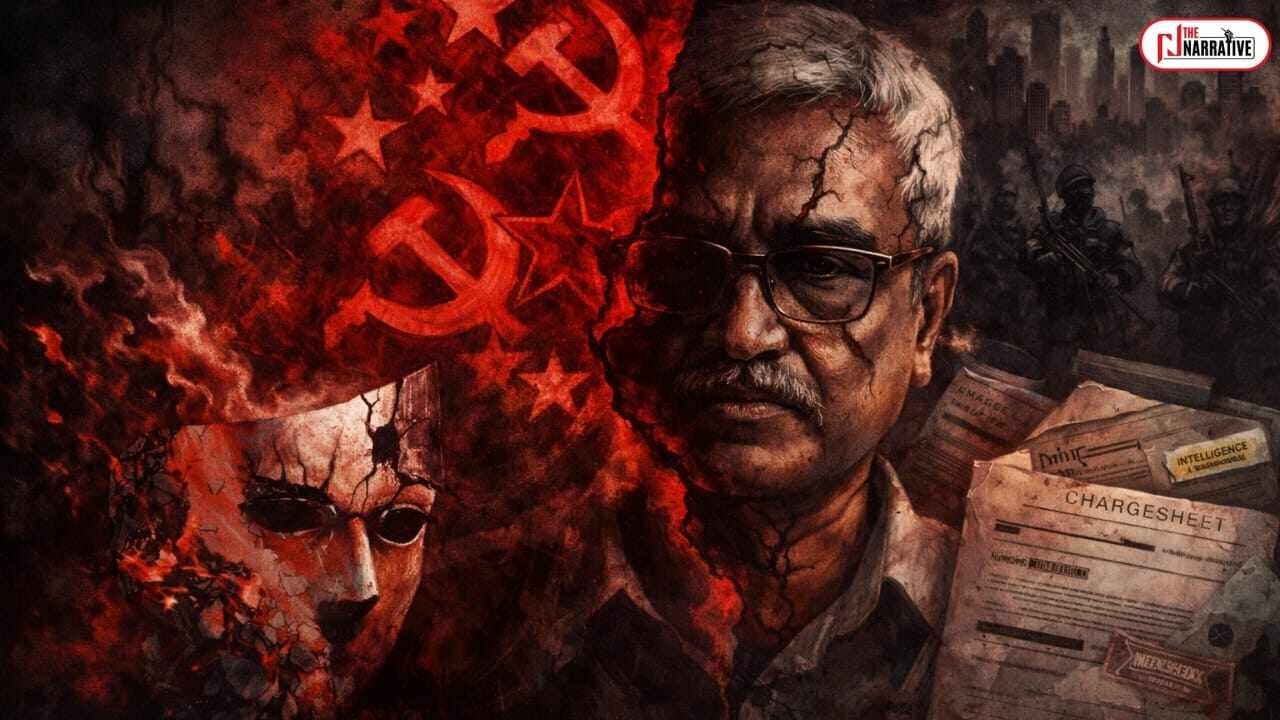
The Newslaundry article titled “Anand Teltumbde: Surviving prison, the ‘Urban Naxal’ oxymoron and state cruelty” presents itself as a reflective, literary conversation with an intellectual who endured incarceration. On closer examination, however, it emerges as a carefully curated narrative that strips away the national security context, sidelines judicial records, and recasts a terror-linked prosecution as a morality tale of state oppression.
This is not an isolated editorial lapse. It fits into a broader pattern visible across sections of India’s left-liberal media ecosystem, where counter-terror investigations are routinely delegitimised, Maoist violence is marginalised or erased, and individuals facing serious charges are reframed primarily as persecuted thinkers rather than as accused persons in ongoing criminal cases.
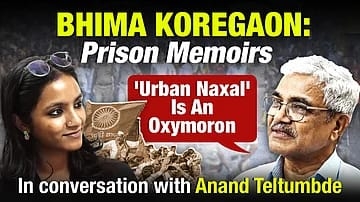
Newslaundry amplifies Anand Teltumbde’s claim that the term “Urban Naxal” is an oxymoron invented by the political right. This assertion does not withstand factual scrutiny.
The concept of an urban Maoist support network is neither rhetorical nor recent. It is a long-standing classification used in intelligence assessments, court filings, and, significantly, in the internal literature of the CPI (Maoist) itself (Urban Perspective). The banned organisation has repeatedly acknowledged the strategic importance of urban fronts for sustaining armed struggle, through legal defence, propaganda, recruitment, logistics, safe houses, and international advocacy.

Ministry of Home Affairs annual reports on Left-Wing Extremism have, for years, warned of urban over-ground workers operating through academic institutions, legal collectives, NGOs, and cultural platforms.
These networks are not accused of carrying weapons; they are alleged to provide ideological legitimacy, organisational support, and operational cover. To dismiss this entire framework as an “oxymoron” is not analysis. It is denial.
Newslaundry introduces Anand Teltumbde primarily as a scholar and civil-rights activist. What it does not explain is central to understanding the case.
Teltumbde was chargesheeted under the Unlawful Activities (Prevention) Act in the Bhima Koregaon - Elgar Parishad matter based on alleged links with banned CPI (Maoist) networks. His bail pleas were rejected on merits by multiple courts, including the Bombay High Court, before conditional relief was eventually granted. Bail, as every court reporter knows, is a procedural safeguard, not an endorsement of innocence or a repudiation of the prosecution’s case.
The interview makes no serious attempt to explain why UAPA was invoked, what the prosecution alleged, or why courts consistently declined to quash the proceedings if the case were merely fabricated. These omissions are not minor; they shape the reader’s entire understanding.
Perhaps the most consequential omission in the Newslaundry narrative is the near-erasure of Milind Teltumbde, Anand Teltumbde’s brother.
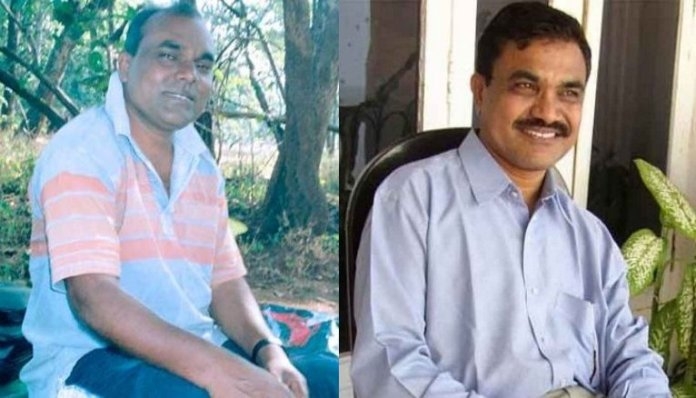
Milind Teltumbde was identified by Maharashtra Police and central agencies as a senior CPI (Maoist) terrorist, also known by aliases such as Deepak. He served as a key strategist in the Maharashtra–Madhya Pradesh–Chhattisgarh (MMC) zone and was killed in an armed encounter in Gadchiroli in November 2021. This is not disputed; it is part of official police records.
No responsible journalist would argue that a sibling’s actions establish criminal guilt. But any experienced reporter would also recognise that this relationship is highly relevant context when examining alleged ideological proximity to Maoism.
Anand Teltumbde has himself acknowledged his brother’s ideological influence. Removing Milind’s operational reality from the narrative shields readers from understanding why investigators viewed certain connections as significant.
Equally underplayed is Anand Teltumbde’s documented engagement with Anuradha Ghandi, a confirmed CPI (Maoist) Central Committee member and one of the organisation’s most influential ideologues.
Teltumbde edited and curated Ghandi’s writings, helped preserve her intellectual legacy, and participated in forums that celebrated her political work. This is a matter of public record. Such editorial and ideological proximity does not constitute criminality on its own, but it is deeply relevant when assessing the intellectual ecosystem that surrounds urban Maoist support structures.
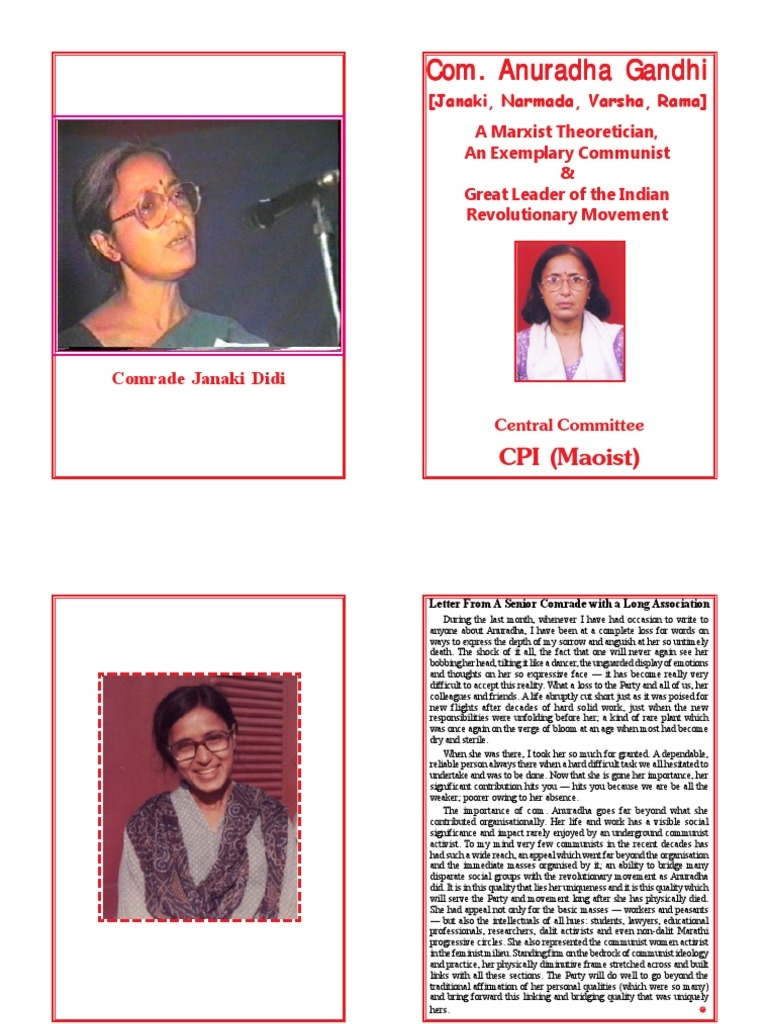
Newslaundry’s refusal to place this relationship within the narrative further sanitises the ideological context in which Teltumbde’s case exists.
The article frames the Bhima Koregaon case as a “test case” of state repression. What it does not tell readers is that investigative agencies alleged that the Elgar Parishad event was organised by individuals with Maoist links, that funding channels and communications raised red flags, and that the Supreme Court repeatedly declined to quash the FIR or dismantle the case wholesale.
Disagreement with the prosecution does not entitle any publication to erase judicial findings. Courts have consistently held that the allegations merit trial. That procedural reality is absent from the Newslaundry account.
Newslaundry relies heavily on a Washington Post report suggesting that malware was used to plant evidence on devices belonging to some accused persons, including Stan Swamy. The report raised serious questions and deserves scrutiny. What the article fails to clarify is that these findings remain legally contested.
Indian courts have not accepted these claims as conclusive proof that the entire investigation was fabricated. The NIA has formally disputed the forensic conclusions, and no judicial forum has treated them as dispositive. Presenting an unadjudicated claim as settled fact crosses the line from reporting into advocacy.
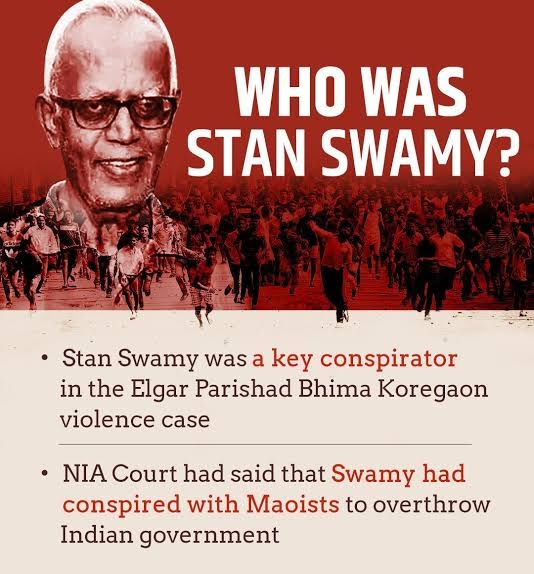
Stan Swamy’s death was tragic, but the Newslaundry portrayal strips away legal context. Swamy was arrested not for activism but for alleged links to a banned organisation. His bail was denied by multiple courts based on statutory considerations under UAPA. The Supreme Court later directed improved medical care, underscoring judicial, not executive, control over the proceedings. Selective empathy cannot replace factual completeness.
Perhaps the most telling absence in the article is any substantive mention of Maoist violence itself.
CPI (Maoist) has been responsible for the killing of thousands of civilians, tribal leaders, and security personnel. It has executed dissenters, recruited minors, extorted from impoverished communities, and sabotaged infrastructure.
By erasing this record, the article creates a moral vacuum in which urban ideologues appear only as victims and never as enablers. This is not neutral storytelling. It is ideological laundering.
A free press must question the state. But it must also interrogate anti-state violence, extremist ideologies, and those who normalise or sanitise them.
The Newslaundry article does not fail because it sympathises with Anand Teltumbde. It fails because it refuses to confront the facts that complicate that sympathy. In a democracy grappling with violent extremism, journalism that erases context becomes propaganda by omission.
The most dangerous narratives are not those that shout, but those that soften, omit, and reframe. Anand Teltumbde’s case is not merely a personal story; it is part of a wider urban ecosystem that has sustained Maoist violence for decades. Any account that ignores that reality does a disservice not only to readers, but to the truth itself.