Academia Under Siege: Systematic Religious Intrusion in Bharat’s Educational Institutions
Why are students across Bharat increasingly facing penalties or pressure for displaying indigenous religious symbols inside classrooms, campuses and examination centres?
Total Views |


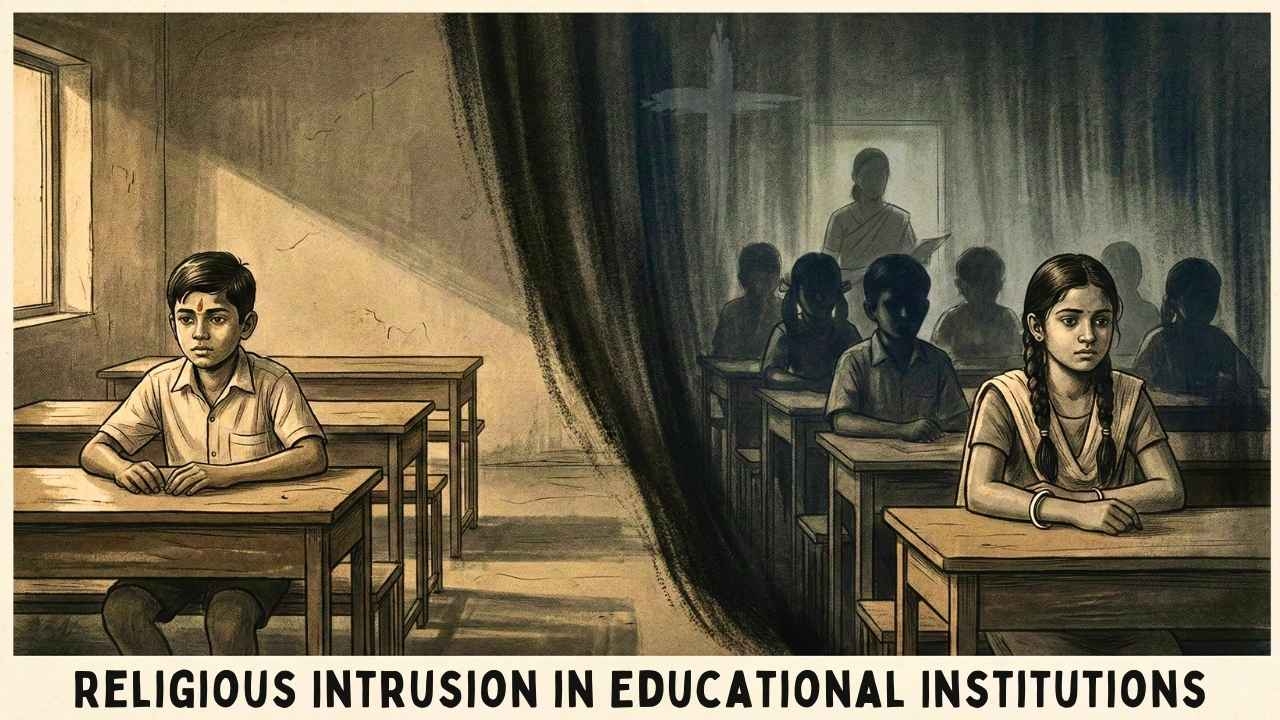
In 2025, Bharat’s educational ecosystem witnessed a disturbing pattern of incidents that raised serious questions about institutional neutrality, constitutional freedoms, and the safeguarding of civilisational values within schools, colleges, and examination systems.
These incidents were not isolated controversies. Instead, they formed a nationwide mosaic of conflicts spanning from kindergartens to premier institutions, where students’ religious identities, practices, and freedoms repeatedly came under pressure.
From Classrooms to Campuses: A Disturbing Pattern
Throughout the year, multiple instances emerged in which students faced penalties, humiliation, or physical assault for expressing Hindu or Sikh religious identity.
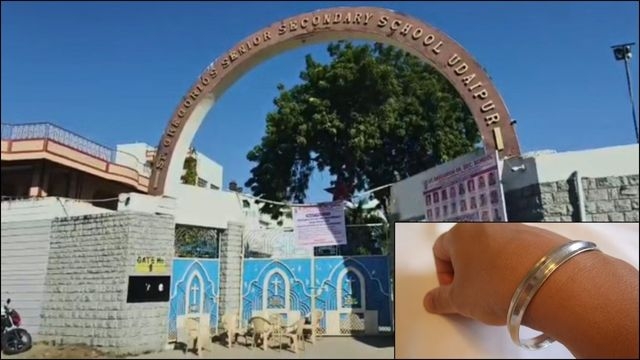
In Udaipur, Rajasthan, St Gregory’s School issued a transfer certificate to a Class 12 Sikh student for wearing a kara, following earlier disputes over the application of tilak and the wearing of kalava.

In Chhattisgarh, a nursery student was beaten and had her mouth taped shut for greeting others with “Radhe Radhe,” an incident that led to the arrest of the school principal.
At a Karnataka CET examination centre, students were compelled to remove their janivara, triggering widespread protests across the state.
Taken together, these incidents point towards a troubling criminalisation of indigenous religious symbols, often justified under the pretext of discipline or uniformity.
Allegations of Forced or Covert Religious Instruction
Equally concerning were reports of religious instruction being imparted to non-consenting students, including minors.
In Haryana and Madhya Pradesh, parents accused teachers of compelling Hindu students to recite Islamic prayers or perform namaz-like postures during school hours.
SENSATIONAL!
— Treeni (@treeni) December 12, 2025
Girish Chandra Saini, principal of Adarsh Janata Montessori School, made all students recite Islamic Kalma in morning prayer FOR THE PAST ONE YEAR, in Udham Singh Nagar, Uttarakhand.
Hindu organisations protested, alleging forced religious practice on Hindu… pic.twitter.com/L7cMtKJlee
A viral video from Uttarakhand showed children allegedly reciting Islamic prayers during a morning assembly, sparking statewide protests and public outrage.
In several of these cases, education departments ordered inquiries and dismissed some teachers. However, the recurrence of such incidents across multiple states indicates deeper and more systemic lapses within the education system.
Missionary Overreach and Conversion Allegations
Government schools were not immune to controversy. In Bilawar Kala village in Madhya Pradesh, students accused a teacher of preaching Christianity, pressuring tribal students to abandon Hindu customs, and threatening to issue transfer certificates for non-compliance. The matter drew the attention of civil society organisations as well as district authorities.
These episodes revived long-standing concerns regarding missionary influence within publicly funded institutions, particularly in tribal and rural regions.
Higher Education and Ideological Bias
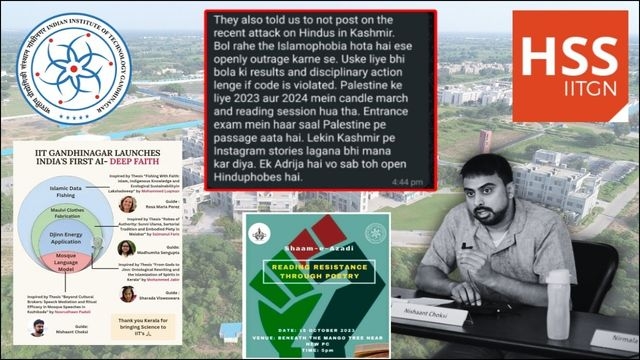
Even elite institutions faced allegations of ideological imbalance. At IIT Gandhinagar, PhD research themes proposed within the Humanities Department triggered accusations of ideological bias and the promotion of Islamic theology. The situation escalated further when the administration reportedly warned students against sharing internal communications.
Similarly, Jadavpur University faced backlash after denying permission for Ram Navami celebrations while allowing an Iftar event. This decision intensified accusations of selective secularism and unequal application of institutional policies.
Security, Funding, and National Concerns
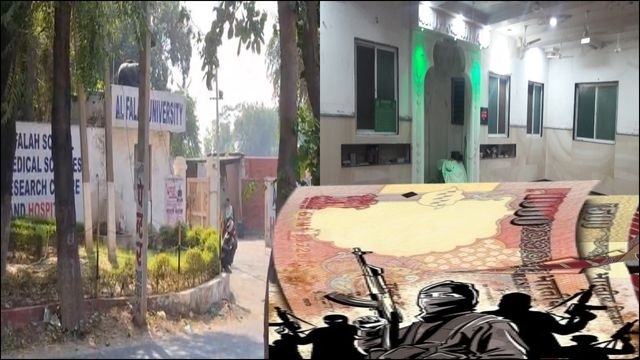
One of the most serious revelations emerged from Haryana, where investigators alleged that terror-linked funds were used to establish a madrasa near Al-Falah University. The case highlighted how national security risks can intersect with educational spaces when regulatory oversight weakens.
Uniformity vs Freedom: The False Binary
Several incidents, including the denial of entry to students wearing Ayyappa mala, black attire during Sabarimala vratham, or even mehndi, were defended by institutions as uniform-related matters. However, the selective enforcement of such rules, often coinciding with Hindu religious observances, has significantly eroded public trust.
Beyond Borders: A Global Warning
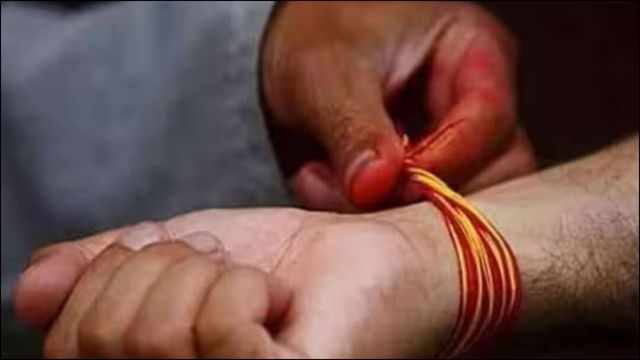
An incident in South Africa, where a Hindu student’s sacred thread was cut by a teacher, underscored that this challenge is not confined to Bharat. It reflects a broader global struggle faced by Indic communities in asserting religious dignity within modern educational frameworks.
Taken collectively, the incidents of 2025 reveal a systemic erosion of religious neutrality in education. While inquiries and official assurances followed many of these controversies, the persistence and geographical spread of such cases point to the absence of clear and enforceable guidelines that protect students’ constitutional rights without bias.
Educational institutions are not arenas for ideological experimentation or religious coercion. If left unaddressed, these divisive trends risk deepening social fault lines and undermining trust in the very institutions responsible for shaping Bharat’s future generations.
Article by
Kewali Kabir Jain
Journalism Student, Makhanlal Chaturvedi National University of Journalism and Communication