Bishop Oreste Marengo: Who Is Responsible for Demographic Change in Northeast India?
As the Vatican celebrates missionary expansion, who accounts for its impact on Northeast India’s indigenous traditions?
Total Views |


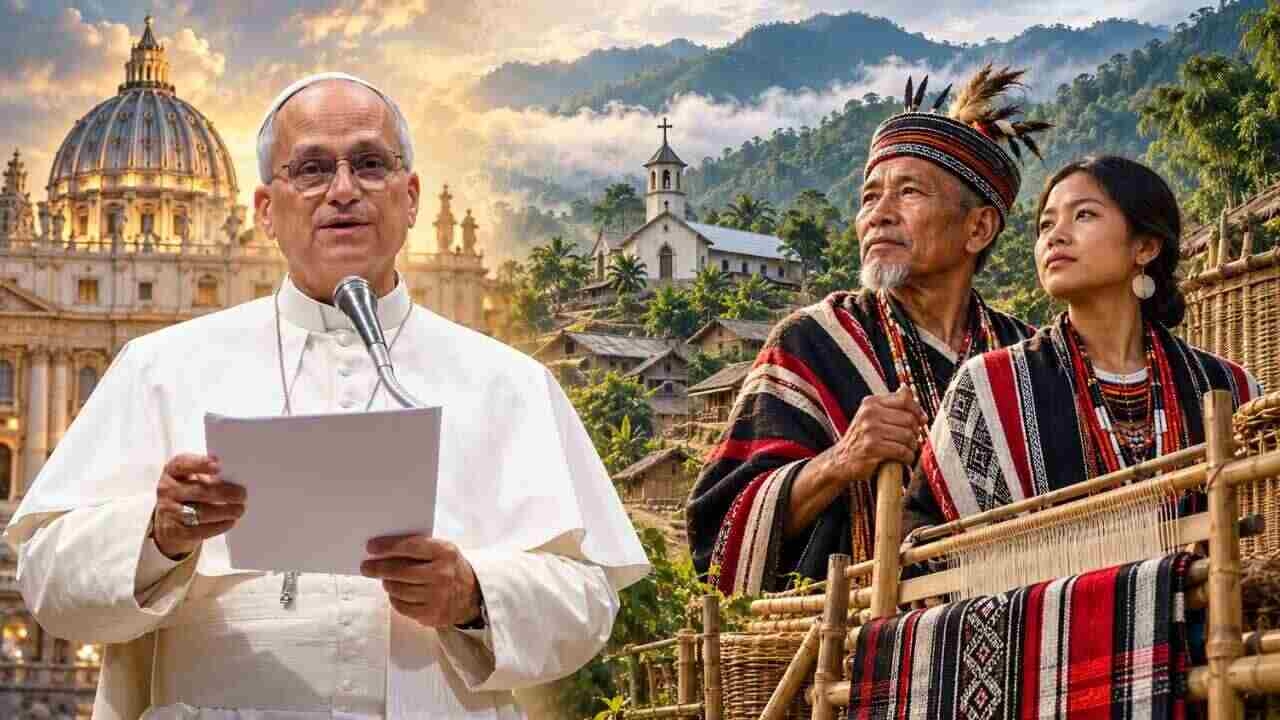
On October 24, 2026, Pope Leo XIV recognised Bishop Oreste Marengo’s “heroic virtues.” The Italian Salesian missionary served in Dibrugarh, Tezpur and Tura, establishing mission centres and expanding Catholic networks in Northeast India. But his recognition raises questions about the cultural impact of missionary expansion on the region’s indigenous communities.
But this celebration raises an uncomfortable question: does the recognition of missionary achievements acknowledge the cultural consequences of religious expansion for Northeast India's indigenous communities? In the Indian context, the missionaries established mission centers indirectly Catholic churches encroach land in the name of God and social services. Indirectly the Indian tribes lost their identity and followed the new religion.
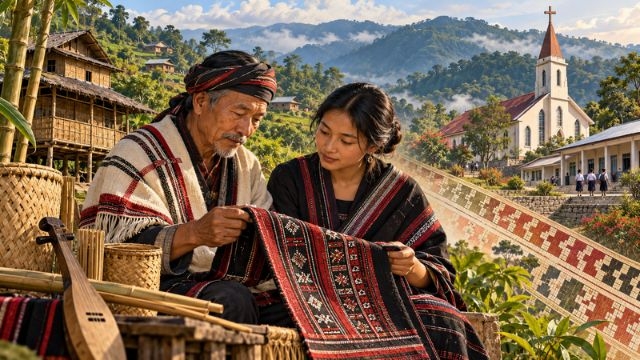
Marengo's work was not limited to personal pastoral service. The churches and institutions he established contributed to the long-term expansion of Catholicism. He worked in a deep area of the north east and changed the demography. Missionary networks can easily transform religious affiliation, social institutions and cultural practices across generations. Where ancestral rituals were discouraged or abandoned, indigenous communities may also have lost elements of their oral history, traditional beliefs and cultural knowledge.
Pope Leo XIV’s decision is a religious recognition that indirectly conveyed the message that soul harvesting is the only and most important asset of these consequences that leads to demographic change. Nevertheless, the Vatican always treats missionary expansion solely as a story of spiritual achievement but knowing about serious reflection on its cultural impact and encouraging it too.
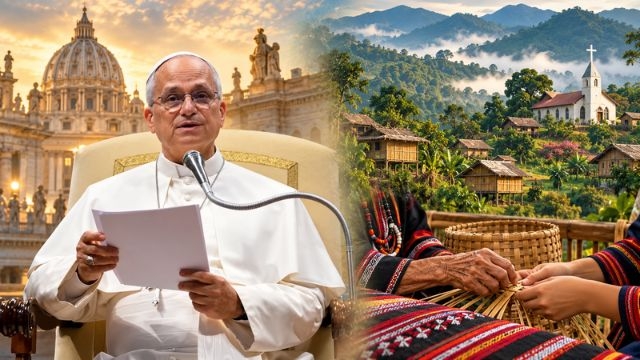
Who measures the cost of conversion?
Who documents the ancestral ceremonies that disappear, the traditional knowledge that weakens and the indigenous beliefs that younger generations may never learn? If churches celebrate their institutional growth, they should also be willing to discuss these difficult questions.
The expression “soul harvesting” captures the concern of critics who see conversion as a religious expansion strategy. However, allegations of coercion or deliberate demographic engineering require specific evidence; conversion alone does not establish either. The essential issue is whether religious expansion respects indigenous people's freedom and cultural autonomy?
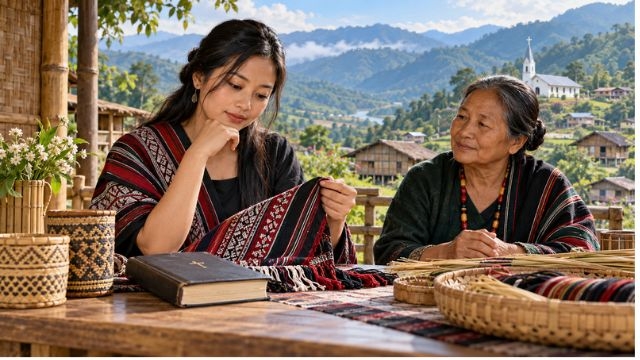
Nor should tribal Christians be dismissed as having lost their entire identity. Many retain their languages, customary institutions and ethnic consciousness. Yet religious change can contribute to the weakening of particular ancestral practices, and those losses deserve serious attention.
The responsibility extends beyond Bishop Marengo to the institutions that sustained missionary expansion and the leaders who celebrate its legacy. Pope Leo XIV and the Catholic Church should recognise that historical accountability requires more than commemorating missionary virtues: it requires an honest examination of the effects of religious expansion on indigenous heritage.
India must protect both religious freedom and tribal cultural continuity. Indigenous communities should never be forced to choose between their faith and the right to preserve their languages, ancestral knowledge and traditions.
If missionary achievements deserve recognition, the cultural consequences of missionary expansion deserve scrutiny. The real test is whether indigenous communities can preserve their heritage while exercising the freedom to choose their religion.
Written by
Rupkunvar Ghelot