Beyond the Outrage: How the Ecosystem Weaponizes Tragedy to Divide the Nation
The demand for justice must not become a vehicle for political agendas. Women’s safety, swift justice and lasting reform must remain at the heart of public outrage.
Total Views |


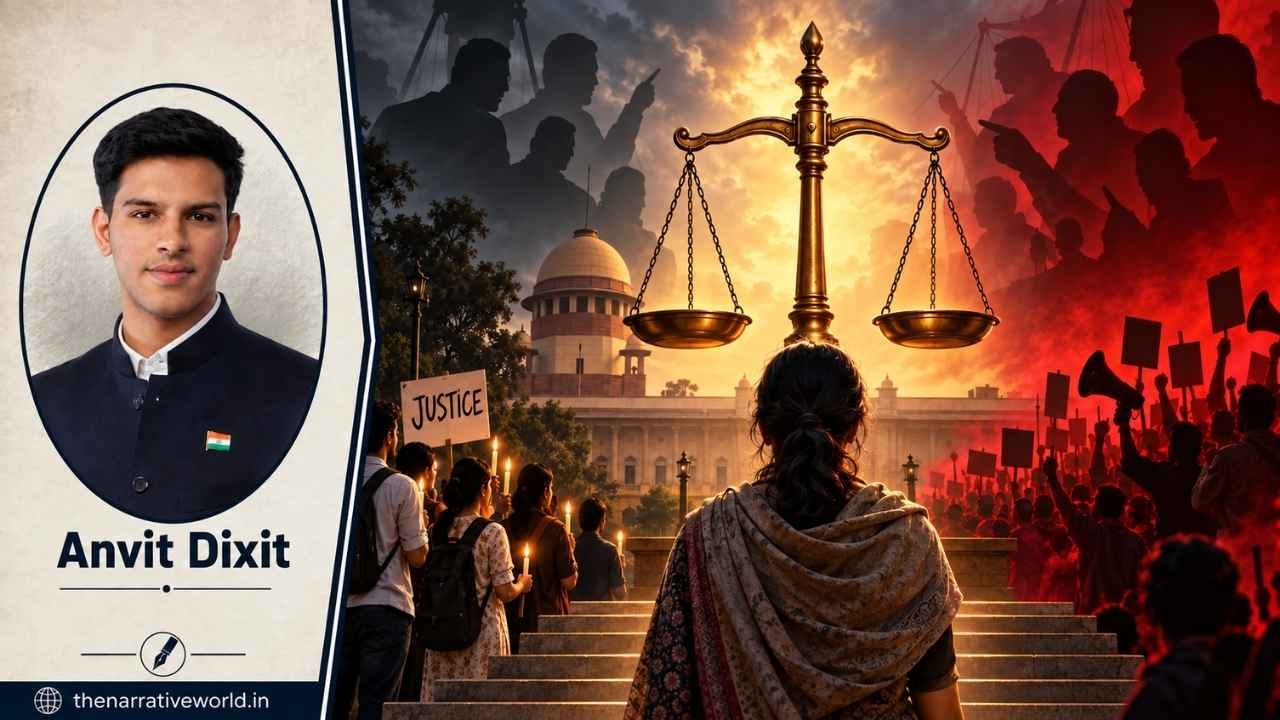
After a minor reported being raped in Delhi in September, students rallied for justice and safety. The protests raise questions about how political agendas can overshadow survivors, divert public anger and sideline demands for reform.
If you look at the current scenario of our nation, from north to south and east to west, it seems like every time we open the news, we are greeted by endless protests. What began as specific student concerns has quickly morphed into a broader culture of perpetual agitation, with protests erupting over every imaginable classification and category.
Recently, we witnessed the vibrant celebration of democracy during the Delhi University Student Union elections (DUSU). Students exercised their democratic right, and the mandate was handed over to the Akhil Bharatiya Vidyarthi Parishad (ABVP). But within days of this democratic celebration, devastating news broke from LRC: a 17-year-old girl was brutally raped on september 2026. Instantly, the electoral celebrations halted. The elected representatives, alongside every ordinary student on campus, plunged into a grieving, dead silence.
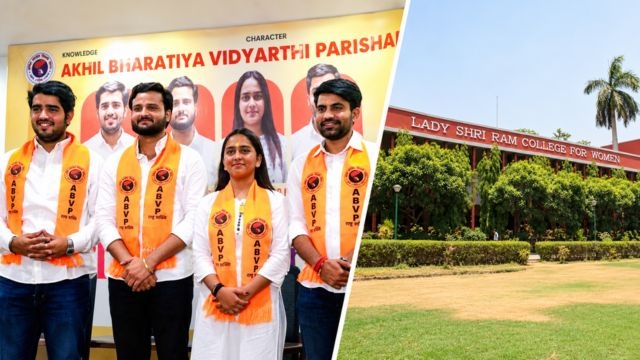
A genuine, organic movement rose from inside the campus, with every student united in a single demand: instant and uncompromising justice for the young victim.But as a society, it is crucial to observe how such genuine grief is immediately hijacked by a specific ecosystem.
Let me be absolutely clear: a rapist is a monster. From a moral and societal standpoint, a person who commits this crime deserves the most brutal punishment. But watch closely how this ecosystem diverts the narrative. We all know that justice delayed is justice denied. Yet, when they infiltrate these protests, do they demand fast-track courts? Do they demand the immediate closure of legal loopholes? No. They hijack the organic anger of the students and turn it into anti-state propaganda. They use the tragedy to settle political scores, while the actual victim is left to fight a lifelong nightmare in the courts alone.
_202610081220427162_H@@IGHT_360_W@@IDTH_640.jpg "2 image (2)")
I hail from Chhattisgarh, so I have seen this ecosystem’s hypocrisy play out firsthand in Bastar. For years, the reality inside the dense forests was horrifying: Naxalite commanders brutally and systematically sexually exploited their own female cadres. When the tribals could no longer tolerate this violence, a genuine, organic people’s movement arose to fight back against Naxalism.
_202610081221014038_H@@IGHT_360_W@@IDTH_640.jpg "3 image (1)")
But what did the “intellectual ecosystem” do? Did they stand with the exploited tribal women? No. They activated their network to save the extremists. They exploited legal loopholes, dragged the matter to the courts and successfully dismantled the anti-Naxal resistance of the local people. Ironically, the Supreme Court judge who delivered the verdict crushing this people’s movement recently resurfaced as the Vice Presidential candidate for a prominent political alliance. This reveals how the ecosystem operates.
The most concerning part of this phenomenon is how these tragedies are used to serve an anti-Bharat agenda. Almost immediately after the shock of the LRC incident, a new wave of posters flooded the protests. Suddenly, a fight for a 17-year-old girl’s justice was sidelined by venomous slogans like “RAPEPUBLIC” and generalised rants against society.
_202610081221305497_H@@IGHT_360_W@@IDTH_640.jpg "4 image (1)")
Let’s acknowledge the truth: women in this era face heart-wrenching struggles and we must fight for their safety and dignity every single day. But this fight must be rooted in genuine reform, not in the superficial, imported outrage of an ecosystem that uses tragedy as a tool for cultural subversion.
You see this ecosystem’s intellectual bankruptcy most clearly in the placards they hold. They parade imported pop-culture slogans like “God is a woman.” They lift this from Western societies, thinking they are doing something revolutionary. What they fail to understand is the context. In post-Abrahamic religions, the concept of the divine has historically been strictly male. For the West, saying “God is a woman” is a profound rebellion against their own historical texts.
_202610081221556758_H@@IGHT_360_W@@IDTH_640.jpg "5 image (3)")
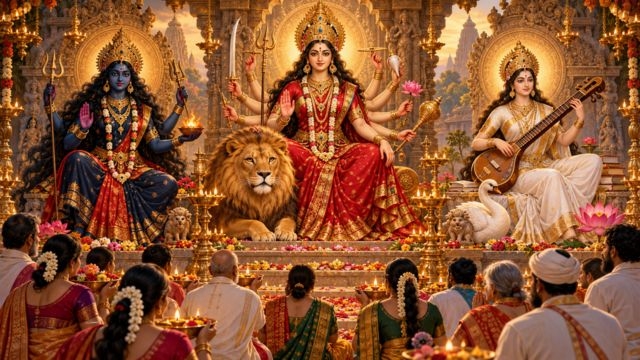
But we live in Bharat which is a deeply diverse, ancient civilization where the divine feminine has been worshipped for ages. We do not need a Western pop slogan to tell us “God is a woman” because, in our culture, the “Goddess” is the ultimate reality. From Maa Durga and Kali to Saraswati, the supreme power (Shakti) has always been feminine. Trying to force-fit a Western, monolithic rebellion into a society that actively worships Goddesses only exposes this ecosystem’s lack of cultural roots and their desperation to copy-paste western outrage in this country.
At last this is the ultimate Marxist blueprint. Karl Marx theorized that division – pitting one class against another, men against women, community against community – lays the foundation for their version of society. They use emotionally sensitive tragedies to create anarchy. They want a divided, warring society. They do not care about the victim; they care about the propaganda.

Hats off to the genuine students and citizens who saw through this manipulation, who refused to let their grief be weaponized and who stood purely for the victim. As the youth of this nation, our focus must remain unshakable.
We must demand ruthless, uncompromising justice for victims and the absolute closure of legal loopholes that protect perpetrators. But we must never allow a tragic crime to be used by an opportunistic ecosystem as a Trojan horse to divide our society, defame our nation and destroy the cultural fabric of Bharat.
Written by

Anvit Dixit