Congress Cries ‘Save Democracy’ While Destroying Delhi Traders’ Livelihoods
Rahul Gandhi’s shopping appeal cannot erase traders’ fears about disruption. Congress’s democratic slogans deserve scrutiny against its Emergency record and its response to citizens whose livelihoods could bear the cost of political mobilization.
Total Views |


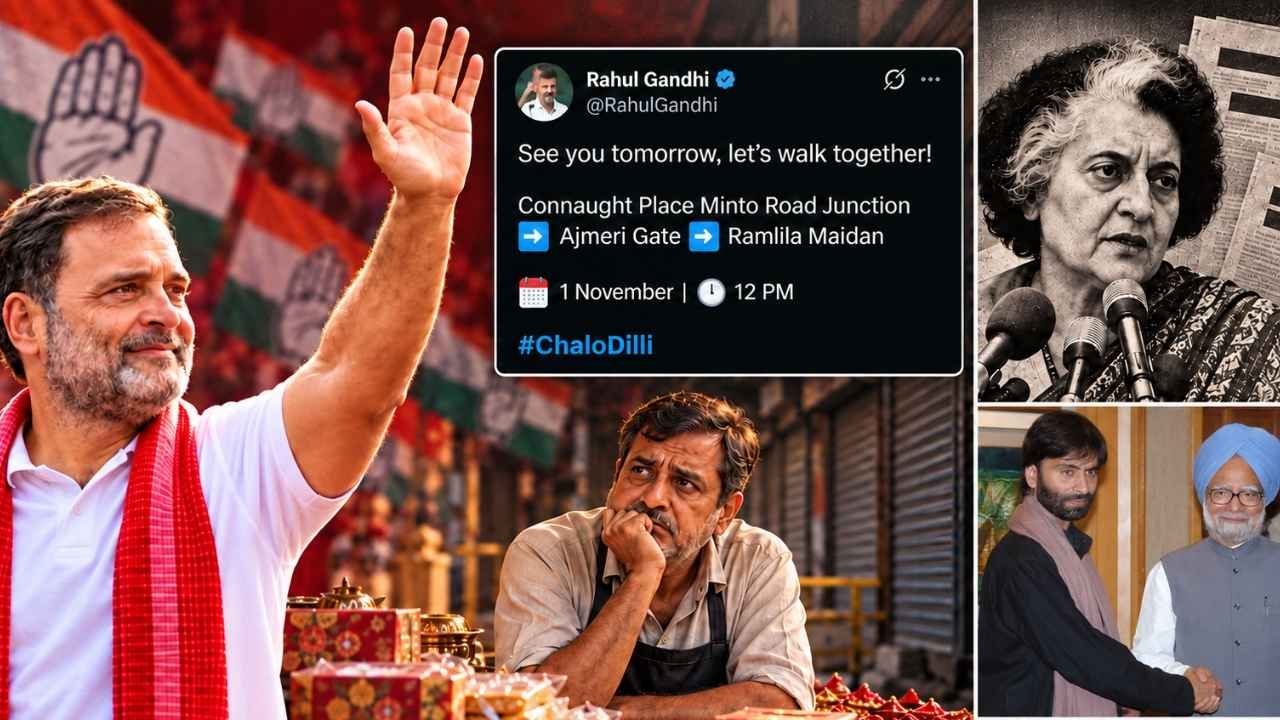
Congress’s November 1 'Chalo Dilli' Rally in Delhi has exposed a contradiction – while Rahul Gandhi urges protesters to shop, traders seeking postponement fear disruption, raising questions about whose interests the opposition’s democracy campaign serves on the ground?
A Shopping Invitation Is Not an Answer
Rahul Gandhi’s appeal to rally participants to shop in Delhi’s markets attempts to turn a serious livelihood concern into an upbeat promotional message. Traders were asking whether customers could reach their businesses during a major political gathering. An invitation to buy something after protesting does not resolve that problem.
Ahead of the November 1 rally, the Chamber of Trade and Industry asked Congress to postpone the event until after the festive shopping period. Traders also demonstrated at Kashmere Gate, warning that security arrangements, road closures and traffic diversions could affect business. Their objections were public and specific.
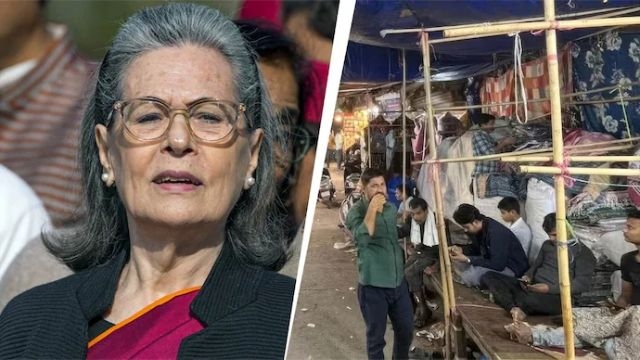
Congress’s response deserves sharp criticism because the concern was entirely foreseeable. Political organisers seeking a massive turnout cannot pretend that the movement of crowds, vehicles and security personnel has no consequences for surrounding markets.
A rally participant is not automatically a customer. A crowded street is not automatically a profitable street. Shopkeepers need accessible premises, reliable deliveries and buyers willing to spend. Their commercial realities cannot be brushed aside by a politician’s manipulative assurance.
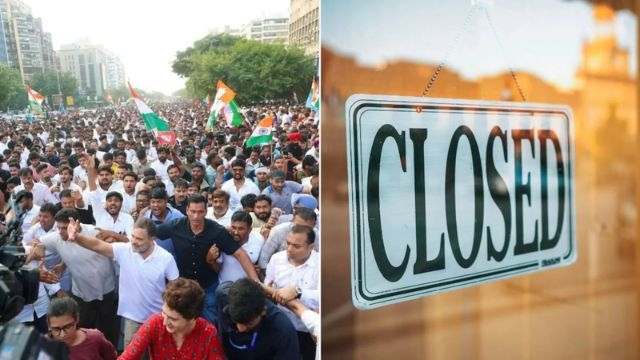
Traders Asked for a Hearing, Not a Slogan
The traders’ association sought a 20-minute meeting with Rahul Gandhi. Representatives of 20 markets wanted to explain the potential impact of the rally during a crucial trading period.
That request should embarrass a party claiming to speak for ordinary people. Citizens should not have to compete with a political spectacle to explain how they earn their living.
Gandhi subsequently suddenly urged protesters to shop and asserted that the programme would not harm businesses, while accusing the central government of spreading rumours. But the traders' representations existed independently of his accusation against the central government. Dismissing political opponents does not answer the people who raised the genuine concern.
For Congress, the rally offers footage. For traders, disruption could mean missed opportunities, huge loss and lost smiles in their face. That imbalance makes a serious consultation essential. The party’s political urgency does not automatically outrank somebody else’s livelihood.
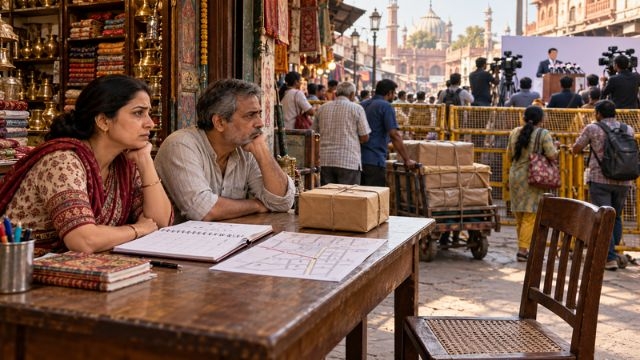
The responsible response would have addressed timing, access and alternative arrangements. Public relations cannot substitute for those answers.
The Hypocrisy Behind Lectures on Dictatorship
Congress’s denunciations of dictatorship also demand historical scrutiny. The party cannot deliver sermons about democratic freedom while expecting its own most damaging record to remain outside the discussion.
Under Indira Gandhi’s government, the Emergency lasted from June 1975 to March 1977. Political opponents were arrested, the press faced censorship and civil liberties were severely restricted. These were instruments of state repression, not merely harsh words exchanged between rival parties.
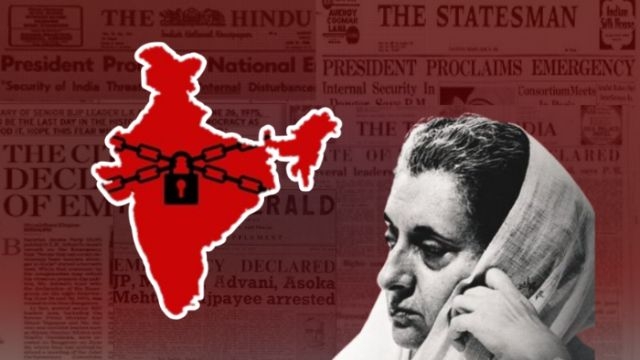
That history places a particular burden on Congress. When its leaders invoke democracy, they must demonstrate an understanding of how their own party’s government attacked it.
Selective memory makes the present rhetoric less credible. A party cannot treat constitutional freedoms as sacred when seeking power and inconvenient when exercising it.
The Emergency remains a devastating answer to any claim that Congress possesses an unquestionable democratic pedigree. Its leaders should expect that record to follow every sweeping lecture they deliver about authoritarianism.
India Cannot Be Reduced to an Upheaval Fantasy
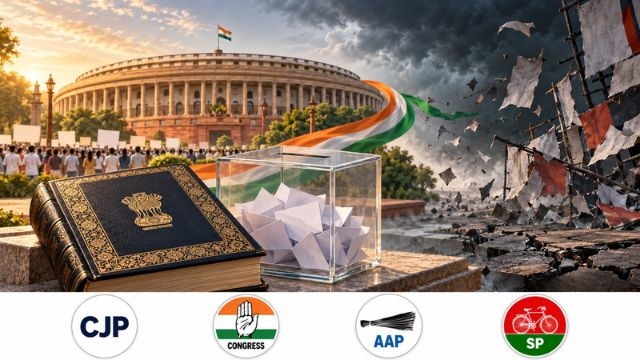
Political campaigns running to make Bharat into Bangladesh and Nepal raises an important constitutional question – political change must not become an excuse to romanticise instability.
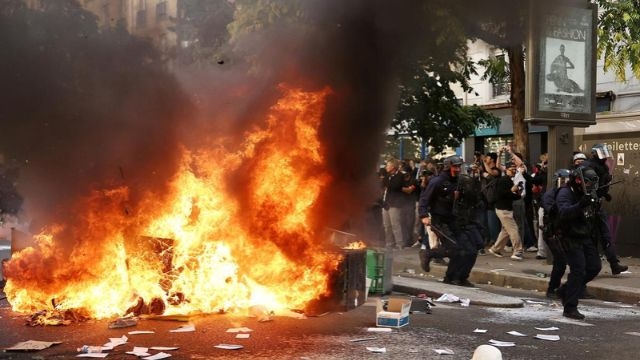
Any call to reproduce upheaval elsewhere as a method of removing an Indian government deserves unequivocal criticism. Citizens are not expendable participants in somebody else’s revolutionary performance. National stability cannot be treated as a disposable obstacle to political ambition.
Congress Must Answer for Its Own Political Choices
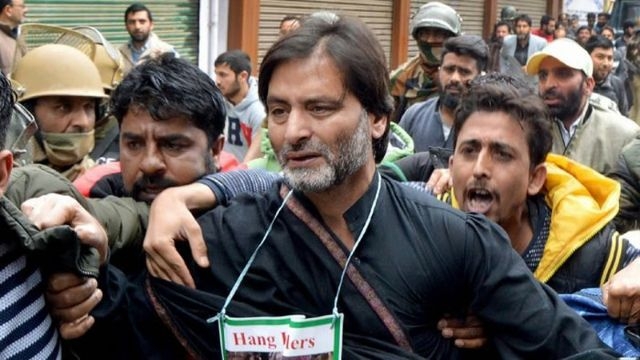
Congress’s claims to moral authority also invite scrutiny of its own decisions. On February 17, 2006, then Prime Minister Manmohan Singh met Jammu Kashmir Liberation Front (JKLF) leader Yasin Malik as part of the government’s Kashmir dialogue. The meeting gave Malik access to the highest level of India’s political leadership – a decision Congress should be prepared to defend, yet never able to answer.
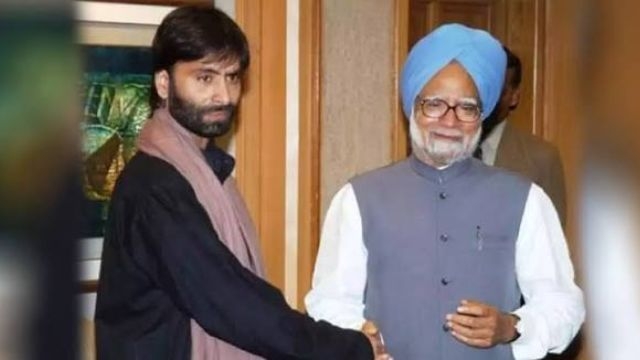
In a later terror-funding case, Malik pleaded guilty and was convicted in May 2022. He received life imprisonment on May 25. That subsequent conviction makes scrutiny of the earlier political engagement especially uncomfortable for Congress. Its leaders cannot claim unquestionable judgment while avoiding difficult questions about whom their government chose to engage and legitimise politically.
Comfortable Commentary Cannot Replace Ground Reality
People who are criticising the closure of metro stations and local shops should keep quiet while laying on their couch and enjoying television when they don't know the ground reality. Anyone complaining about metro restrictions or shop closures should first establish what actually happened, who ordered it and why.
Congress should answer those citizens directly. Calling a mobilisation democratic does not exempt its organisers from responsibility for foreseeable inconvenience.
Congress’s greatest vulnerability here is the gap between its grand lectures and its practical response, which they always fail to serve. Traders asked about business and Rahul Gandhi offered shopping. The party invokes democracy while carrying the burden of the Emergency.
A credible political argument requires evidence, consistency and respect for citizens. Congress should be judged against all three – and pressed relentlessly wherever its conduct falls short.
Written by
Mokshi Jain
Sub-editor