50% Seat Expansion for All States: Centre Moves Delimitation Bill to Strengthen Representation and Women’s Reservation
Cabinet clears twin bills for uniform 50% Lok Sabha seat hike and women’s reservation; Special Session to take up legislation from November 30
The Narrative World 28-Nov-2026
Total Views |


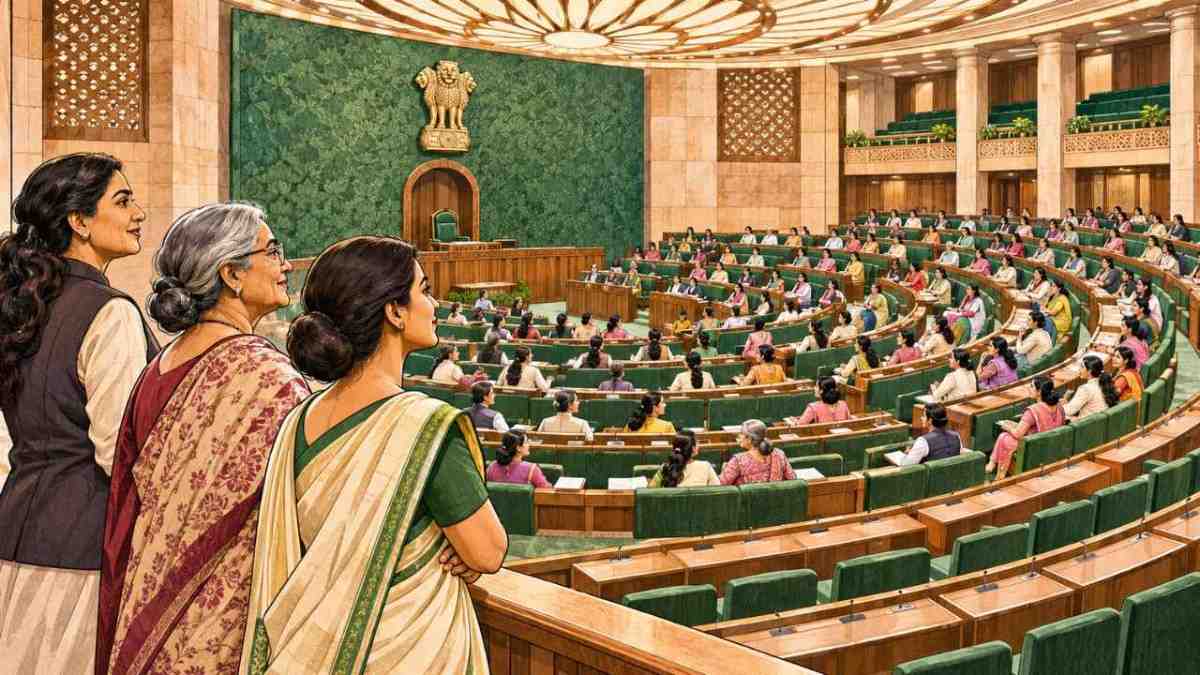
The Union Cabinet has cleared two bills that would increase Lok Sabha seats for every state and Union Territory by 50% and help implement 33% reservation for women in the Lok Sabha and state assemblies. The bills are set to be introduced in Parliament’s special session beginning 30 November.
The Union Cabinet has cleared the path for a major overhaul of parliamentary representation. The Delimitation (Second) Bill, 2026, along with the Constitution (One Hundred and Thirty-Second Amendment) Bill, 2026, is set to be introduced in the Special Session of Parliament beginning 30 November. The proposed legislation aims to increase Lok Sabha seats for every state and Union Territory by 50 percent while simultaneously facilitating the long-pending 33 percent reservation for women in legislatures under the Nari Shakti Vandan Adhiniyam.
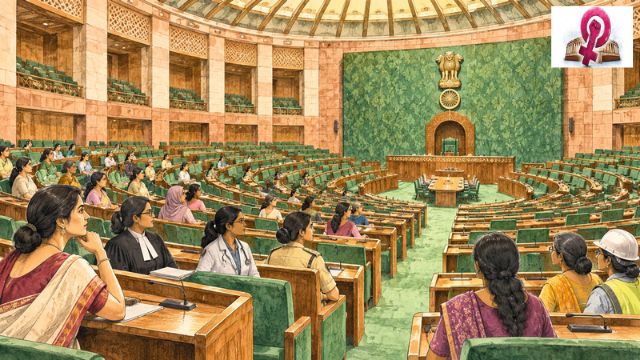
At the heart of the proposal is a proportionate expansion of seats across the board. Section 10 of the Delimitation Bill provides for this uniform 50 percent rise in Lok Sabha allocation, with a matching increase in the strength of state Legislative Assemblies. Once the Act comes into force, a Delimitation Commission will be constituted to redraw constituency boundaries and implement the revised seat matrix. The Constitution Amendment Bill further freezes the delimitation exercise until 2051, providing a long-term framework.
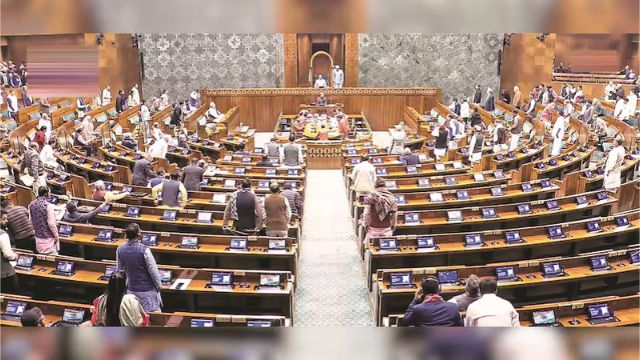
This approach directly responds to apprehensions raised by southern states. These states, which have demonstrated stronger population control and development indicators, had feared that a purely population-based redrawing of seats would erode their relative share in the Lok Sabha. By expanding seats for every state rather than redistributing the existing pie, the Centre seeks to protect the political weight of progressive states while still allowing representation to reflect demographic realities.

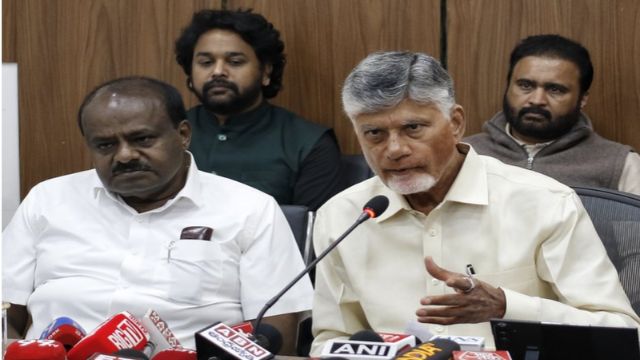
Andhra Pradesh Chief Minister N. Chandrababu Naidu has welcomed the formula, noting that a 50 percent increase offers meaningful relief to southern concerns without punishing states that performed better on population stabilisation.
The move comes after an earlier delimitation-related proposal failed to secure the required two-thirds majority in the Lok Sabha on 17 April. With five vacancies in the 543-member House, the effective strength stands at 538. Passing a constitutional amendment will require approximately 359 votes. The NDA is estimated to have around 320 members, including support from certain rebels, and will therefore need to build broader consensus.
Support is already emerging from unexpected quarters. The Nationalist Congress Party (Sharadchandra Pawar faction), part of the INDIA bloc, has indicated it will back the delimitation exercise. Party leader Jitendra Awhad stated that discussions with Sharad Pawar centred on the constitutional obligation of periodic delimitation and confirmed the party’s support. The YSR Congress Party is also reported to be inclined to favour the legislation, provided it contains adequate safeguards for regional balance, particularly for southern states.
The twin bills represent more than an administrative exercise. They seek to expand democratic representation, implement women’s reservation without further delay, and address genuine federal anxieties through a formula of proportionate growth rather than zero-sum redistribution. Whether the government can secure the necessary numbers beyond its core coalition will determine if this consequential constitutional reform moves forward in the Special Session.
Written by

Kewali Kabir Jain
Journalism Student, Makhanlal Chaturvedi National Journalism and Communication University

नैरेटिव डेस्क
नैरेटिव डेस्क