From Non Alignment to Multi Alignment: How Modi Is Reshaping India’s Global Strategy
India’s foreign policy under Prime Minister Narendra Modi is increasingly being described as a new strategic framework. Moving beyond Cold War style bloc politics, New Delhi is pursuing multi alignment, balancing ties with major global powers while prioritizing national interests.
The Narrative World 06-Mar-2026
Total Views |


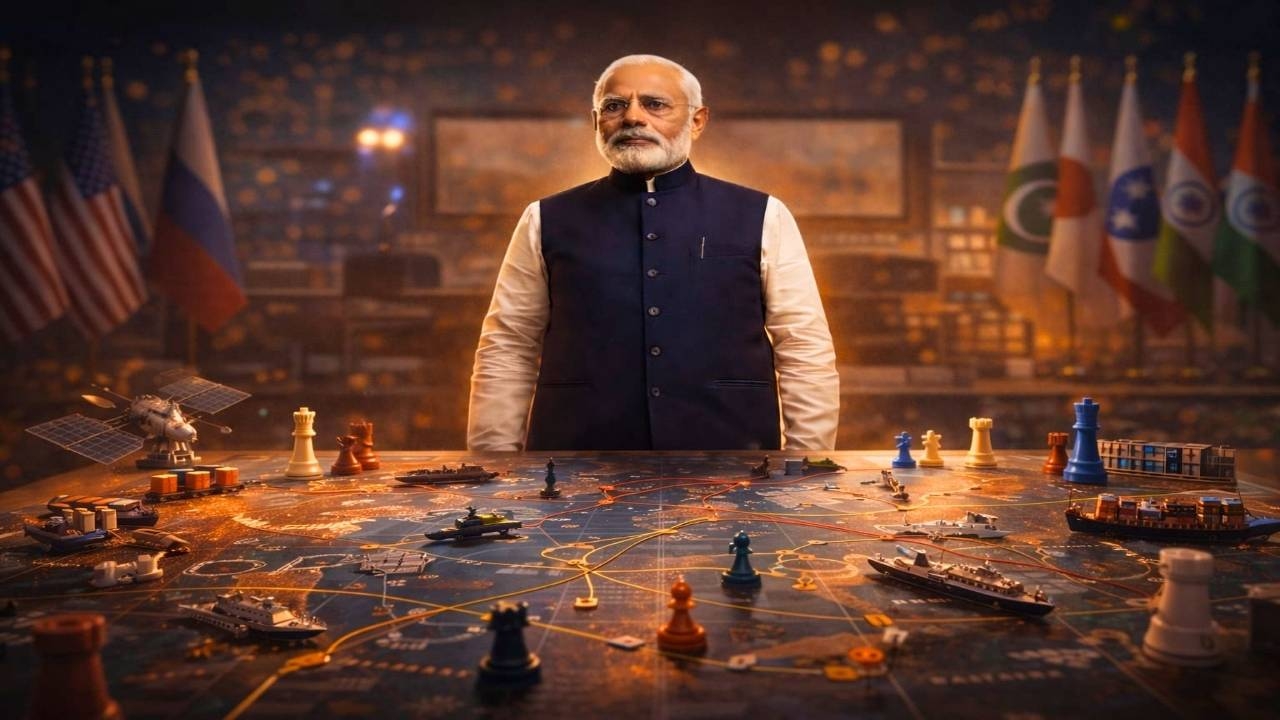
For much of the Cold War, global politics revolved around rigid alliances. Countries were broadly expected to align either with the United States and its Western partners or with the Soviet bloc. India chose a different path through the Non Aligned Movement, seeking strategic autonomy in a deeply polarized world. The geopolitical landscape of the twenty first century, however, is far more complex. Over the past decade, India’s foreign policy under Prime Minister Narendra Modi has evolved into a more flexible framework that many analysts now describe as the Modi Doctrine. Rather than tying India to ideological blocs, this approach is driven by national interest, strategic autonomy and issue based partnerships across multiple centers of power.
At the heart of this approach lies a long standing principle of diplomacy. Countries do not have permanent friends or permanent enemies. They have permanent interests. India’s diplomatic conduct in recent years reflects this logic. While New Delhi has strengthened cooperation with the United States and several Western partners, it has also preserved strong ties with Russia, expanded engagement in the Middle East and remained active in forums that seek to balance Western influence in global governance. The result is a foreign policy posture that emphasizes balance rather than alignment.
This shift has become increasingly visible since 2014, when the Modi government began recalibrating India’s external strategy to match its growing economic and strategic weight. India is now the world’s fifth largest economy and an increasingly important security actor in the Indo Pacific region. Its diplomatic posture has evolved accordingly. The emphasis is no longer on maintaining distance from all power centers but on engaging multiple partners while preserving independent decision making.
Energy security offers a clear illustration of this strategic autonomy. After the outbreak of the Russia-Ukraine war in 2022, Western countries imposed extensive sanctions on Moscow and encouraged partners to reduce economic ties with Russia. India faced diplomatic pressure to follow the same path. Instead, it adopted a pragmatic position guided by national economic priorities.
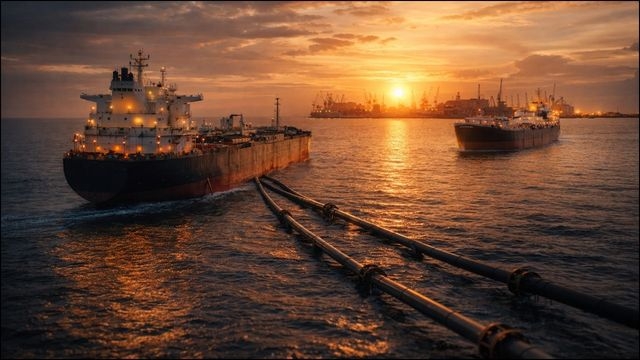
India increased its purchases of discounted Russian crude oil, helping to cushion domestic markets from global price volatility. Data from international energy agencies indicates that Russian oil became one of the largest components of India’s import basket during the conflict.
Some Western observers viewed this position as reluctance to take sides. Indian officials presented it differently. For a country of more than 1.4 billion people, energy security cannot be subordinated to external political pressure. The decision signaled that India would maintain engagement with global partners but would ultimately act in accordance with its own interests.
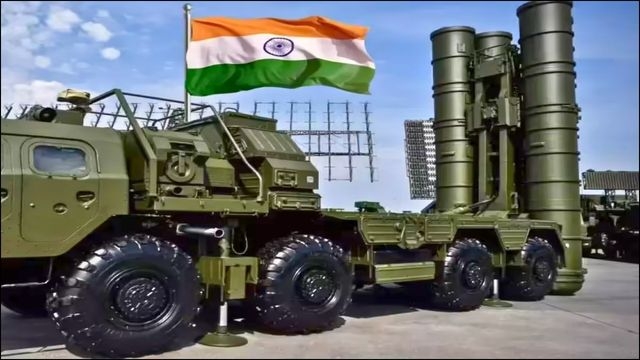
The same approach is visible in defense policy. Russia has long been a key supplier of military equipment to India and continues to account for a substantial portion of its defense inventory. Despite growing defense cooperation with the United States and other Western countries, New Delhi has not abandoned these established ties. The purchase of the Russian S 400 Triumf air defense system illustrates this point.
Washington raised concerns about the transaction and discussions emerged in the United States about possible sanctions under the CAATSA law. India nevertheless moved ahead with the acquisition, arguing that its security environment required reliable air defense capabilities.
The decision reflected India’s broader strategy of diversifying its defense partnerships. Over the past decade, India has expanded defense cooperation with the United States, France and Israel while continuing to work with Russia in critical areas. The objective is to avoid excessive dependence on any single supplier while strengthening domestic defense production.
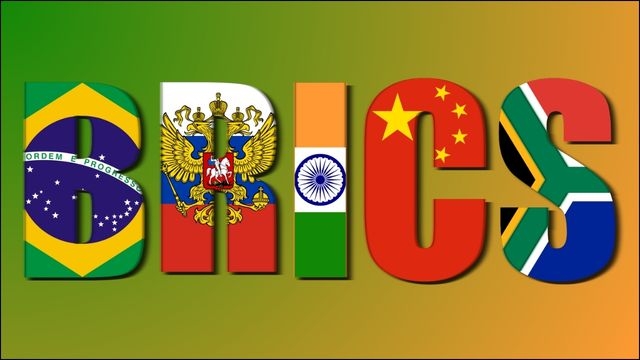
India’s participation in global institutions also reflects this multi alignment strategy. New Delhi remains an active member of the BRICS grouping, which brings together Brazil, Russia, India, China and South Africa. In recent years, BRICS has drawn attention as a forum where emerging economies seek greater influence in global economic governance. Discussions around financial cooperation and development institutions have added to its importance. India has consistently supported efforts within BRICS to strengthen the voice of the Global South.
At the same time, India has deepened its role in Western led platforms such as the G20. During its presidency in 2023, New Delhi placed strong emphasis on development challenges facing emerging economies and sought to bridge differences among major powers. The adoption of a consensus declaration at the New Delhi summit demonstrated India’s ability to navigate geopolitical divisions at a time of heightened global tensions.
The Indo Pacific strategy forms another key pillar of India’s current foreign policy. China’s rapid rise and its increasingly assertive behavior in regional waters and along the Himalayan border have reshaped the strategic landscape. In response, India has strengthened cooperation with partners through the Quadrilateral Security Dialogue, commonly known as the Quad. The grouping includes the United States, Japan, Australia and India.
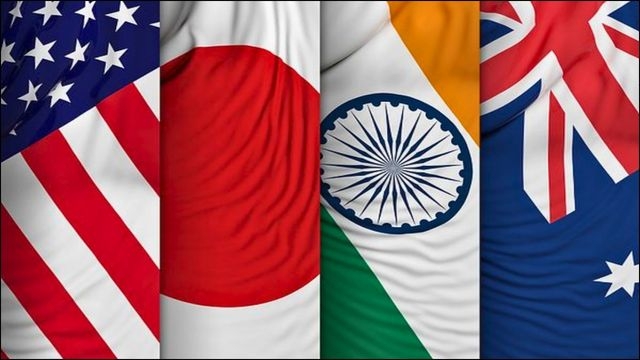
The Quad focuses on maritime security, resilient supply chains, emerging technologies and humanitarian cooperation. Although China often portrays it as a strategic counterweight, India has avoided describing the arrangement as a military alliance. This approach allows New Delhi to deepen cooperation with regional partners while retaining its strategic flexibility.
West Asia offers another example of India’s balanced diplomacy. Over the past decade, India has expanded cooperation with Israel in fields such as defense technology, agriculture and cybersecurity. Political engagement between the two countries has increased significantly, reflecting shared interests in innovation and security.
At the same time, India has continued to support a two state solution to the Israel-Palestine conflict. At international forums including the United Nations, India has maintained its long standing position supporting Palestinian aspirations while encouraging dialogue and stability in the region.
Relations with the Gulf states have also grown substantially. Economic cooperation with the United Arab Emirates and Saudi Arabia has expanded in areas such as energy, infrastructure investment and financial connectivity. The presence of a large Indian diaspora across the Gulf further strengthens these ties and adds an important human dimension to the relationship.
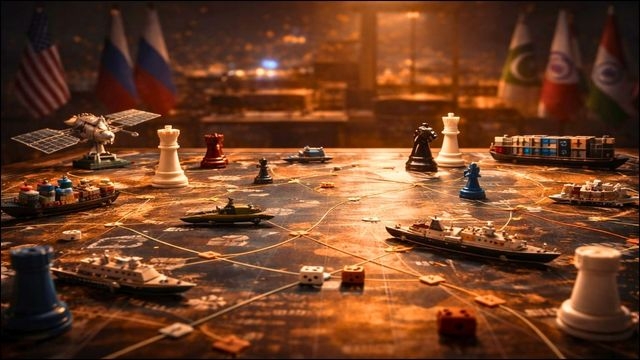
Taken together, these policies indicate that India is positioning itself as a balancing power in the emerging global order. Rather than aligning firmly with a single bloc, it is cultivating relationships across multiple centers of influence and attempting to shape outcomes through diplomacy and economic engagement.
International observers increasingly acknowledge this shift. Analysts at major policy institutions often describe India as a pivotal state in a more fragmented and multipolar world. Its decisions on trade, technology cooperation, climate policy and security partnerships now carry consequences far beyond South Asia.
This transformation is unfolding in a global environment marked by strategic competition among major powers. Rivalries over technology, supply chains and regional influence are intensifying. In such conditions, countries that preserve diplomatic flexibility often gain greater leverage.
India appears determined to operate within that space. By maintaining relations with diverse partners while protecting its autonomy, New Delhi is expanding its strategic options. The approach requires careful management of competing expectations from different global powers, but it also offers significant room for maneuver.
The broader direction is increasingly clear. India is no longer content to remain on the margins of global decision making. It seeks to influence the international agenda in ways that reflect its own priorities and interests.
Viewed in this context, claims that India has decisively tilted toward the United States or Israel present only a partial picture. The more significant reality is that India’s foreign policy has evolved into a more confident and multidimensional framework under the Modi government. The Modi Doctrine reflects a larger ambition. It seeks to position India not merely as a participant in global politics but as an independent pole in a changing world order.
If this trajectory continues, the defining feature of India’s diplomacy will not be alignment with a single bloc. It will be the ability to engage with many powers while steadily advancing its own national interests.
शुभम उपाध्याय
संपादक, स्तंभकार, टिप्पणीकार