The Rebel Christian Clergyman Who Influenced the Entire World: Martin Luther – Part 2
Luther"s growing unrest with Church practices led him to challenge indulgences and call for a return to genuine repentance and faith.
Total Views |


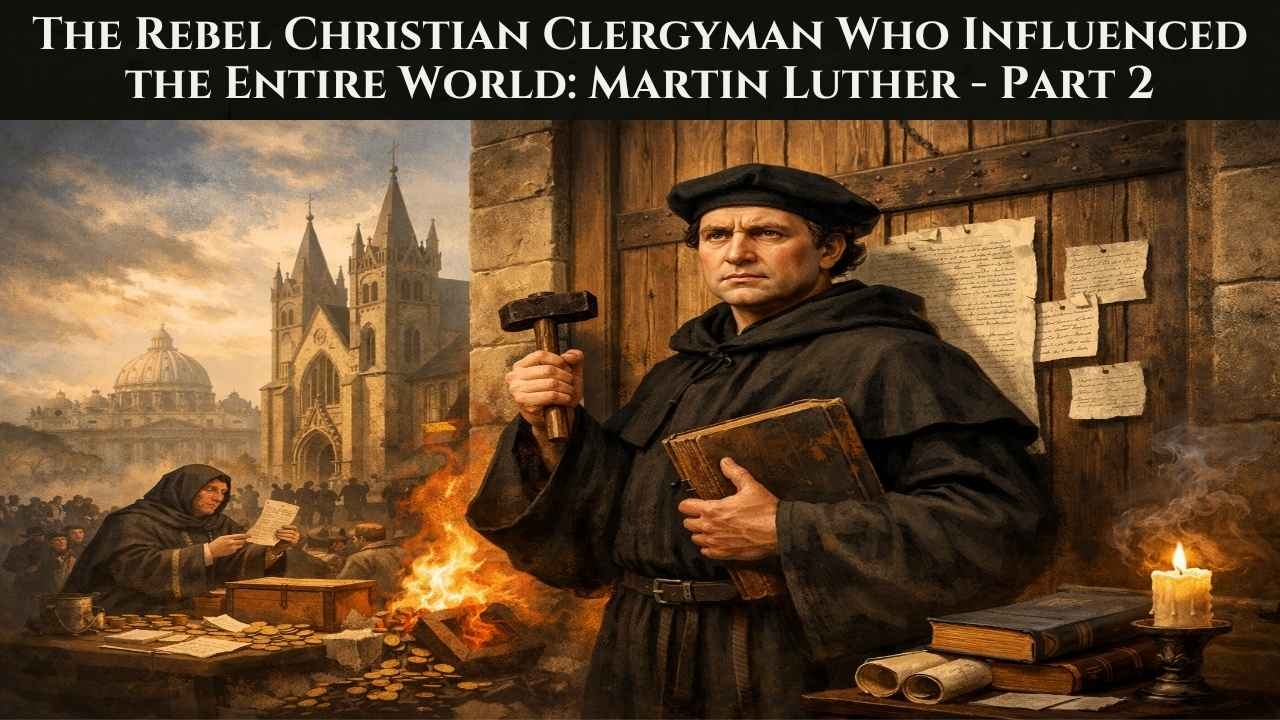
On 17 July 1505, Martin Luther left his university studies and joined the Augustinian monastery. Saint Augustine is regarded as one of the most important saints after Saint Paul. According to the discipline of this order, Martin Luther began to live his life. One of Saint Augustine's most famous sayings is "Faith is to believe what you do not see; the reward for this faith is to see what you believe."
We can see the influence of this teaching in Martin's later life. Following the strict discipline of the Augustinian order, he would fast, spend hours in prayer, and go on pilgrimages. However, Martin Luther later said that this period of his life was one of spiritual despair. During this time, he felt he had drifted away from Jesus the Saviour and had turned Him into a jailer—or even an executioner—of his soul. A senior member of the Church noticed his distress and suggested that his excessive introspection was troubling him. He advised Martin to resume his academic career and directed him to the main church in Erfurt. From there, he went on to teach theology at the University of Wittenberg.
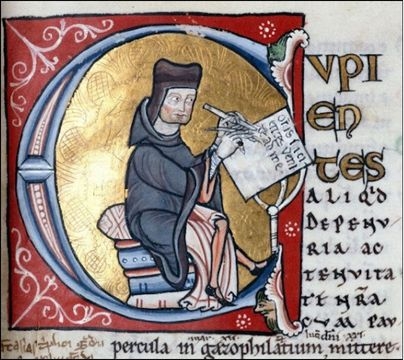
In 1508, he received a degree in biblical studies. Later, he earned another degree based on The Four Sentences, a theological work by Peter Lombard. In 1512, he received a doctorate in theology. The rest of his career was spent at the University of Wittenberg. In 1515, Martin Luther was appointed vicar of the provinces of Saxony and Thuringia—a position responsible for overseeing the affairs of ten to twelve churches.
In 1510, he visited Rome. There, he was shocked by the corruption among Christian scholars and clergy. It was taught that after death, a day of judgement would come when one would have to account for one's sins. To gain relief from this, people were encouraged to perform good deeds, which included donating to the Church. The Church even sold certain items called indulgences. Catholic monks claimed that through such acts, a person's time in hell could be reduced.
In 1516, Johann Tetzel was sent to Germany to sell indulgences in order to raise funds for the reconstruction of St Peter's Basilica in Rome. Disturbed by all this, on 31 October 1517, Martin Luther wrote a letter opposing the sale of indulgences. He argued that Christ had asked sinners to repent and that external measures like indulgences kept people away from true repentance. Instead, people would try to escape guilt simply by paying money. He stated that the Pope could grant relief from church-imposed penalties but not from inner guilt.
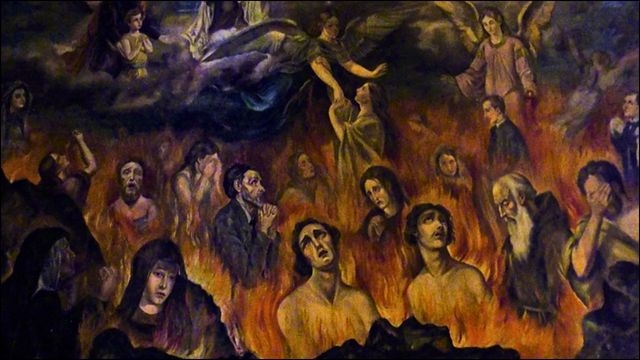
Luther also opposed the concept of Purgatory, which held that after death, sinners must undergo various punishments until the Day of Judgement. He asserted that the Gospel given by Christ is the true treasure of the Church. He also questioned why, when the Pope possessed immense wealth, he did not build St Peter's Basilica with his own money.
Luther presented many such arguments and suggestions to the bishops. These became famous as the Ninety-Five Theses. It is said that he nailed them to the door of the All Saints' Church in Wittenberg. This day is considered the beginning of the Reformation.
Luther's Ninety-Five Theses were first printed in Latin and then in German and distributed across Germany. They soon reached France, England, and Italy. Students from various places began coming to Wittenberg to hear Martin Luther. He also published a booklet on the ninth book of the New Testament. During this period, he wrote three important books. In To the Christian Nobility of the German Nation, he argued that every baptised Christian is a priest and does not require a separate clergy (the "priesthood of all believers"). Another concept he discussed was that of the Two Kingdoms—one spiritual (divine authority) and the other secular (worldly authority).
Here is what Martin Luther wrote:
“God has therefore ordained two regiments: the spiritual, which by the Holy Spirit produces Christians and pious people under Christ; and the secular, which restrains unchristian and evil people so that they are obliged to keep outward peace, albeit by no merit of their own.”
Written by
Dr. Prasad Kelkar