The Rebel Christian Clergyman Who Influenced the Entire World: Martin Luther – Part 5
Luther faces internal rebellion, denounces violent peasants, and reshapes church practices while his personal life challenges long-held religious traditions.
Total Views |


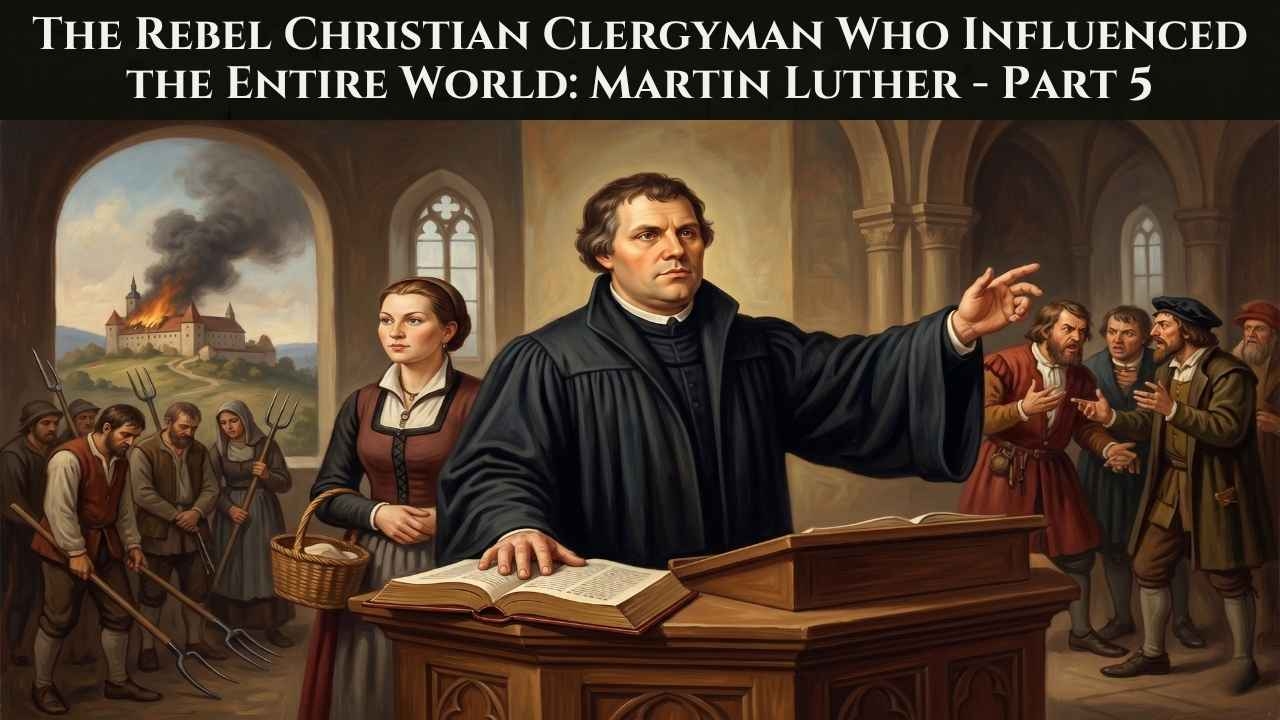
Martin returned to Wittenberg from Wartburg Castle in March 1522. Just before Easter, Christians observe the forty days of Lent, usually in March—a period during which people give up certain things, fast, practise silence, or live in seclusion.
When Martin arrived in Wittenberg, this period was just about to begin. During this time, he delivered eight sermons in which he emphasised Christian values such as love, joy, peace, patience, kindness, goodness, faithfulness, gentleness, and self-control. Later, he introduced new practices in the reformed style of church worship.
During Martin's absence, a group known as the Zwickau Prophets had emerged. They were radical rebels, distinct even from the Protestant movement, and were closer in thought to the Anabaptists. Alongside the established Church, Martin now had to confront these prophets, who were spreading social unrest and encouraging violence. They were gaining support among the common people—especially the urban poor and small farmers, known as peasants.
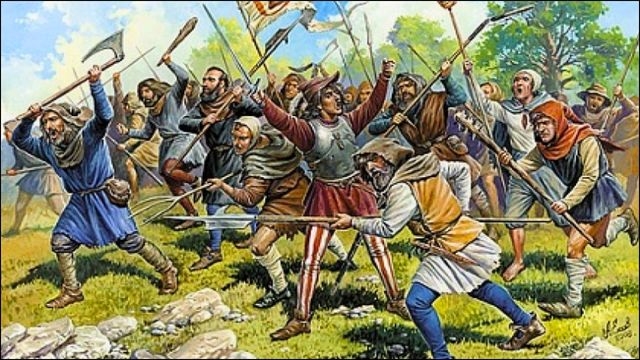
Between 1521 and 1524, there were several small and large uprisings by these peasants. Martin's pamphlets had opposed the authority of the Church, and his ideas were considered liberal at the time. Because of this, many peasants believed that Martin supported their attacks on the upper classes.
Revolts broke out in regions such as Franconia, Swabia, and Thuringia, eventually turning into what is known as the Peasants' War. Martin supported the peasants' just demands (the Twelve Articles), but he also insisted that everyone must obey the ruling authorities.
While travelling, when he saw burnt convents, monasteries, bishops' residences, and libraries, he became furious. He urged the authorities to deal with the rebels as one would deal with mad dogs. Martin argued that baptism teaches the salvation of the soul, not freedom of the body from the law. He even remarked that it seemed as though all the devils from hell had entered the peasants.
According to Martin's "Two Kingdoms" theory, he opposed such revolts. He maintained that royal authority in worldly matters must be respected and that violence carried out in the name of Christianity was blasphemy. Once it became clear that Martin did not support them, many peasants laid down their arms. After the defeat of the rebellion, leaders like Müntzer were executed, bringing the uprising to an end. Martin is recorded as having said that such rebels must be killed, even under his directive.
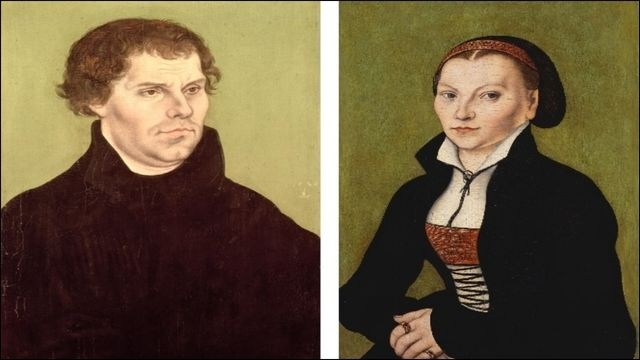
In 1525, Martin Luther married Katharina von Bora, a former nun. This marriage itself was a significant event. While celibacy is not a formal commandment in Christianity, priests and nuns are traditionally expected to remain unmarried, based on theological reasoning—they are considered to be spiritually "married" to the Church. Jesus is often referred to as the "virgin son of a virgin mother".
Martin wrote to a friend, "The Lord has urged me into marriage," suggesting that he felt divinely led into it. Katharina was 26 years old at the time, while Martin was 41.
They were gifted an old monastery called the "Black Cloister" as a wedding present. The couple had six children, four of whom survived. Despite constant financial struggles, their family life can be considered successful. The marriage of a monk and a nun was a major act of rebellion, challenging traditional notions of purity and religious norms.
Written by
Dr. Prasad Kelkar