CPI(ML)'s Lenin Worship: A 1969 Foundation of Imported Violence That Bharat Has Long Rejected
The party"s foundation reveals a doctrine that dismissed Bharat"s traditions and endorsed armed struggle over constitutional methods.
Total Views |


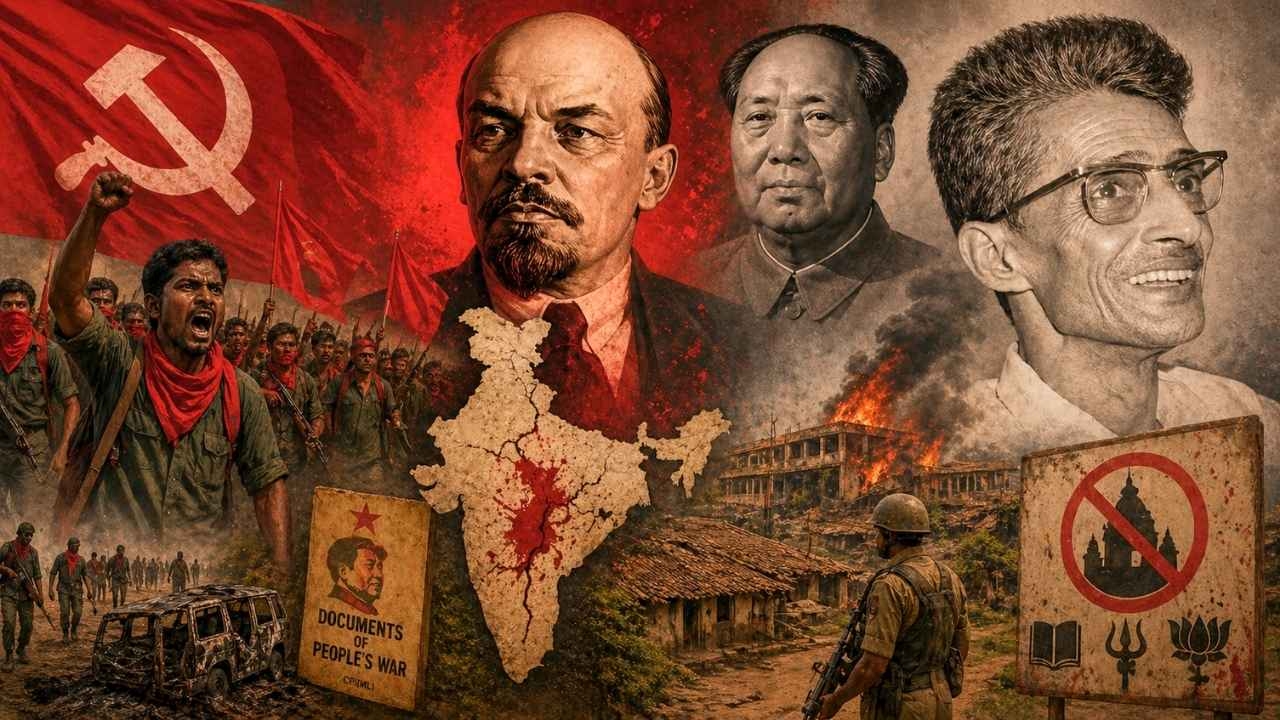
The Marxist-Leninist Party's annual homage to Vladimir Lenin on his birth anniversary, coinciding with its own founding date, is all set to spotlight its unbroken record of ideological hostility to Bharat's sovereignty, its complicity in decades of bloodshed, and its contempt for the Hindu civilisational ethos that binds the nation.
Every April, CPI(ML) cadres gather under red banners to venerate Vladimir Lenin, the Bolshevik architect whose 1917 revolution supplied the blueprint for the party's birth on 22 April 1969. The outfit's founding documents explicitly swore allegiance to Lenin's doctrine of violent class war, dismissing Bharat's democratic framework and cultural continuity as obstacles to be destroyed. More than five decades later, this ritual homage to a dead European revolutionary exposes CPI(ML)'s refusal to evolve.
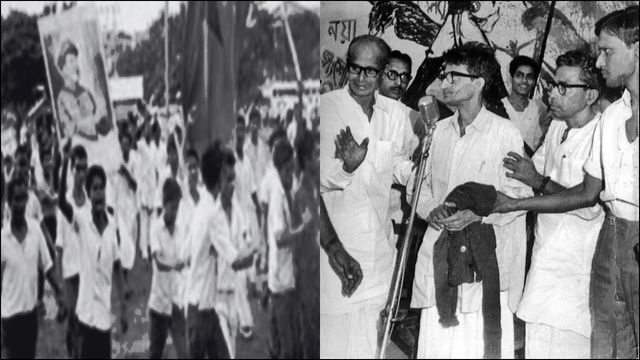
The Leninist template adopted in 1969 directly ignited the Naxalbari uprising and its bloody aftermath. CPI(ML)'s splinter groups and ideological heirs, most notably the banned CPI(Maoist), declared a terrorist organisation under the Unlawful Activities (Prevention) Act, have been repeatedly found guilty in Indian courts for waging war against the state. Their cadres stand convicted in multiple cases of murder, ambush killings of security forces, and extortion rackets that terrorised mineral-rich tribal belts. Official records and security assessments document thousands of innocent lives lost, including policemen, village headmen protecting local communities, and ordinary citizens who were branded as "class enemies". In states like Chhattisgarh and Jharkhand, these Lenin-inspired "people's wars" deliberately stalled roads, schools, and hospitals, condemning Adivasi populations to perpetual backwardness while the rest of Bharat surged ahead.
Worse still, CPI(ML)'s worldview has been overtly hostile to Bharat's Hindu soul. Its literature and cadre training consistently portray Hindu dharma, temples, and traditions as feudal relics meant for annihilation. This imported contempt has translated into active subversion, denigrating festivals as "opium", supporting cultural fragmentation, and aligning with forces that erode the very civilisational unity which has sustained Bharat through centuries of invasion and colonisation. Where the Bharatiya see Bharat Mata as a living goddess, the CPI(ML) sees only "bourgeois superstition" to be uprooted.
Who Founded CPI-ML?
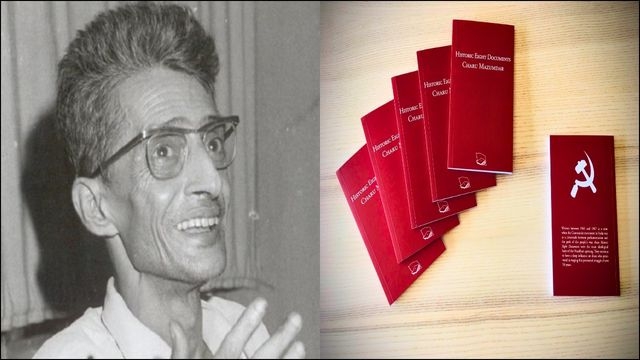
Charu Mazumdar was the chief ideologue and founder of the Communist Party of India (Marxist–Leninist), a radical offshoot of Bharat's so-called communist movement that embraced armed revolution over democratic politics. Emerging from the turbulent politics of West Bengal in the 1960s, Mazumdar became the principal architect of the Naxalite movement, which took its name from the village of Naxalbari where a violent peasant uprising erupted in 1967.
Mazumdar's writings, particularly his "Historic Eight Documents", laid the doctrinal foundation for CPI (ML). Deeply influenced by Mao Zedong, he advocated a strategy of protracted people's war, calling for the annihilation of "class enemies" such as landlords and state representatives. This marked a decisive shift from parliamentary communism to insurgent extremism, rejecting Bharat's constitutional framework altogether.
From the standpoint of national stability, Mazumdar's politics represented a dangerous flirtation with violence and ideological absolutism. Under his leadership, the early Naxalite movement witnessed targeted killings, social unrest, and a breakdown of civil order in parts of eastern Bharat. Rather than empowering the rural poor through sustainable reform, his approach entrenched cycles of violence and invited strong state reprisals.
Written by

Kewali Kabir Jain
Journalism Student, Makhanlal Chaturvedi National University of Journalism and Communication