2026 Tamil Nadu Assembly Election Results: An Analysis
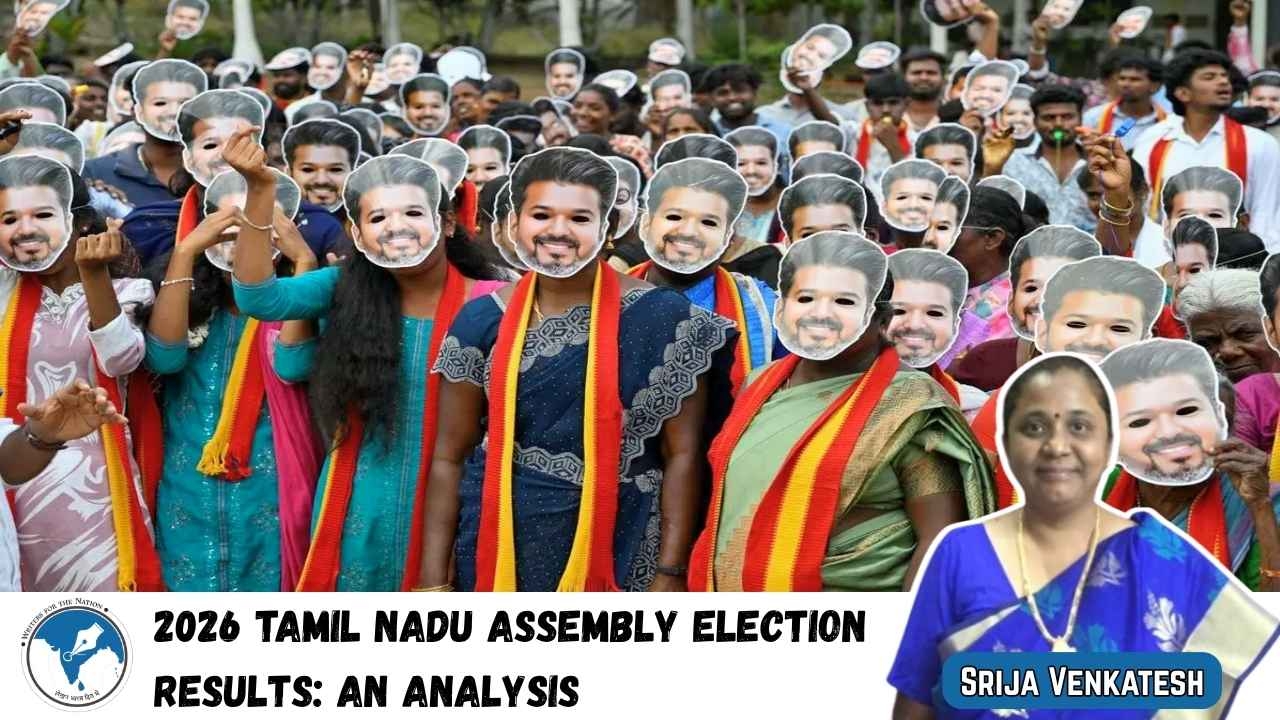
Tamil Nadu witnessed a major political shift as frustrated young voters rallied behind Vijay"s image, even as doubts remain over TVK"s long-term credibility and direction.
Total Views |


Before going into the analysis, I would like to make a few points for better understanding. Since 1965, the Dravidian parties have thrived on two slogans: "No Hindi! No caste system". MGR always maintained a cordial relationship with the then Congress(I). They consistently formed alliances during elections. After the death of MGR, Jayalalithaa became the icon of AIADMK. Unlike MGR, she did not treat Congress in the same manner. She contested elections independently, winning some and losing others. Even during that period, the same slogans remained politically effective.
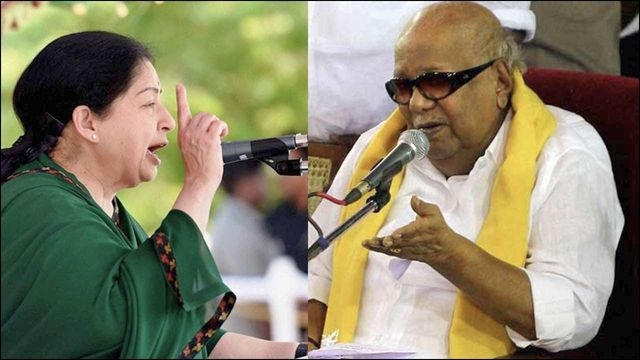
Then came the legendary alliance between DMK and INC. Alongside the charisma of Jayalalithaa and Karunanidhi, the two leaders continuously contested against each other, resulting in alternating victories in successive elections. However, after Jayalalithaa's death, everything changed for the people, especially women voters. Until then, they never had any confusion about whom to vote for.
After her death, Edappadi K. Palaniswami somehow managed to run the government for four full years, though public dissatisfaction steadily increased. By then, DMK had taken control of digital media and had practically become the dominant force in all forms of media. This significantly contributed to the rise of M.K. Stalin. During the 2022 elections, Palaniswami's image had been severely damaged by the media, leaving people with very few alternatives other than voting for DMK.
Tamilians always had a prejudice against BJP because it was branded as the RSS wing of politics. Many Hindus themselves believed that if they voted for BJP, the caste system and other unwanted practices might return. To understand this fear, one must go back to E.V. Ramasamy Naicker, who spread hatred towards Brahmins and equated Hinduism with Brahminism. "Hindus are slaves of Brahmins" became a dominant slogan.
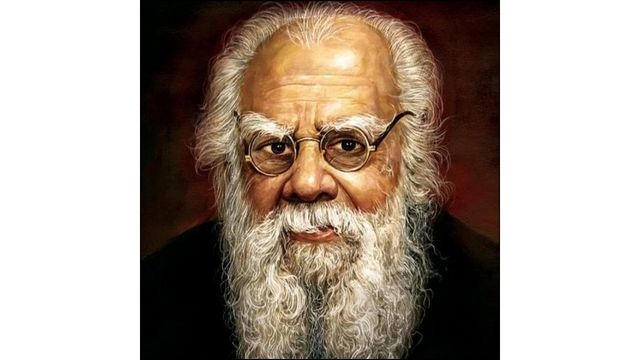
"If you see a snake and a Brahmin at the same time, leave the snake and kill the Brahmin because he is more dangerous than the snake" was a famous quote attributed to Periyar, as he was popularly known. Other upper communities such as Pillai and Mudaliyar supported this ideology because Brahmins had behaved in ways that alienated others socially. In 2022, DMK came to power with a sweeping majority and, as usual, their target remained Brahmins and Hindu deities.
Why Did DMK Fail Tragically?
Their governance resembled their earlier tenure, marked by allegations of corruption and mismanagement of power. However, this time a much more serious charge emerged against them. Tamil Nadu has traditionally been a state where women work independently, maintain separate identities and often excel over men in several fields.
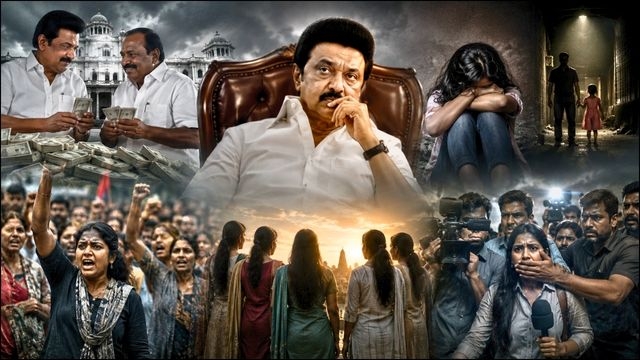
During the DMK regime, several incidents of sexual abuse allegedly took place. Even minor girls were reportedly raped and murdered. These incidents created deep anger among the people. However, instead of supporting the victims, the media largely ignored such incidents and offered weak explanations. This further infuriated the public.
People remained silent on social media because some journalists who wrote against the DMK government were allegedly threatened and forced to apologise. M.K. Stalin appeared completely unaware of the people's reactions to these alleged atrocities. The IT wing did not inform him about the growing dissatisfaction among the public. DMK entered the elections with overconfidence and arrogance.
Why Not AIADMK + BJP?
In Tamil Nadu, anti-Christian and anti-Muslim politics has rarely worked. The people of Tamil Nadu have never directly experienced the horrors of Mughal invasions in the way North India historically did. Even if they acknowledge such history, many adopt the attitude: "It is over. What is the point of crying over spilt milk? Let us face the future."
BJP earned a negative image in Tamil Nadu by speaking harshly about Muslims and Christians. Kerala and Tamil Nadu have many wealthy Christian and Muslim industrialists whose financial influence played a major role during elections. DMK's IT wing spread the narrative that anyone supporting BJP was an enemy of Tamilians.
According to this narrative, BJP supports Sanatan Dharma and Manusmriti, where women are allegedly depicted negatively and society is divided by caste. These became powerful political weapons in Tamil Nadu. Unfortunately for BJP, it is publicly supported by several Brahmin figures such as Gurumurthy and H. Raja, which further complicated the situation.
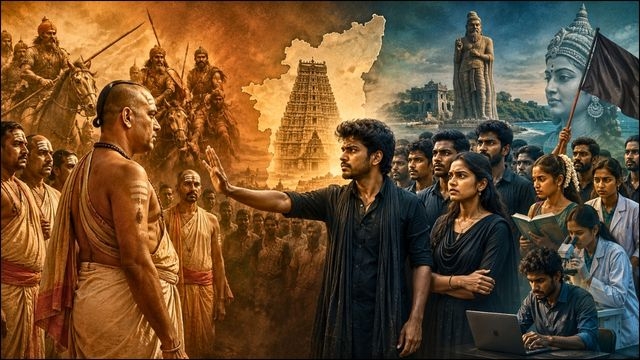
Hatred towards Brahmins still persists in Tamil Nadu because of historical reasons. Many Tamilians argue that Brahmins were Aryans who invaded their land and altered their culture and language. There is a widespread fear that if Brahmins regain influence, Tamil identity and language may weaken, similar to what some believe happened in other states.
These are among the primary reasons why BJP could not make a significant impact in Tamil Nadu. Had BJP leaders focused more on women's safety, equality for all communities, and emphasised that Muslims and Christians were not enemies, things might have changed slightly. BJP still lacks a charismatic leader in Tamil Nadu who deeply understands the issues faced by Tamil people.
Above all, people desperately wanted change. They had grown tired of voting alternatively for AIADMK and DMK, parties which many felt differed very little in terms of policy. Their rivalry largely survived because of the legacy of MGR and Jayalalithaa. The younger generation, which had not experienced the influence of MGR, Jayalalithaa or Karunanidhi directly, wanted a leader who represented a completely new political imagination.
Why TVK?
Here, many political observers, including myself, failed to understand the role of Gen Z, their intentions and their frustrations. The so-called "2000 kids" largely grew up without experiencing major hardships, especially in Tamil Nadu. The IT industry created enormous employment opportunities for Gen Z, giving them financial independence.
However, what they lacked was freedom and emotional understanding from the previous generation. This generation frequented pubs, drank during weekends, entered live-in relationships and adopted lifestyles that were strongly opposed by their families. Vijay became the icon they had been waiting for. Both in his real life and on screen, Vijay symbolised many of the aspirations they identified with.
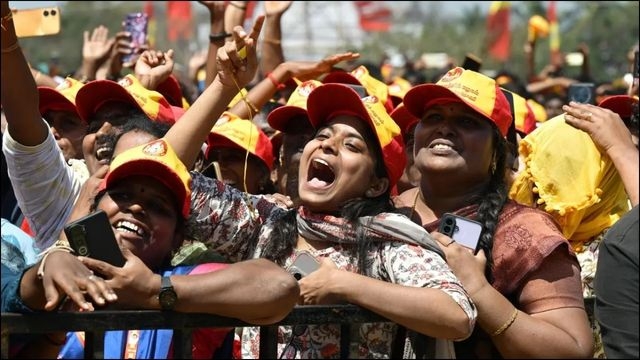
As a result, young voters began to visualise him as someone who would understand them and validate the culture they followed. Many first-time voters and voters below the age of 35 proclaimed Vijay as their leader. In reality, they were not necessarily supporting the real Vijay, but rather the image of Vijay they had created in their minds.
Next comes what may be called Vijay's "maternal uncle approach". Tamilians have a deep-rooted tradition of celebrating the role of the maternal uncle. Even today, ceremonies such as the child's first mundan and ear-piercing rituals are traditionally performed with the child seated on the maternal uncle's lap. During family disputes, especially after parental deaths and property conflicts, the maternal uncle often acts as mediator.
Therefore, when Vijay declared that he would become the maternal uncle for all children, Tamil people emotionally connected with the statement. This may appear insignificant to outsiders, but for Tamilians it carried deep cultural sentiment.
Gen Z was largely unconcerned with caste or religion. They wanted change and a modern outlook. At the same time, digital media controlled by DMK mocked and degraded them, calling them "illiterates" and "squirrels". Gen Z silently observed all of this without reacting publicly.
Before the elections, lakhs of youngsters gathered merely to catch a glimpse of Vijay. However, the media dismissed these gatherings by claiming that crowds naturally gather for film stars.
The Karur Incident
The Karur incident proved to be the final straw. Several rumours emerged surrounding the incident, many of them deeply disturbing. Forty-one people reportedly died during the stampede, yet their identities allegedly remained anonymous.
Some even claimed that it was a carefully planned façade by DMK. According to these rumours, unclaimed bodies from government mortuaries were scattered around to create the appearance of a disaster scene. Questions arose regarding those bodies, their identities and whether their relatives ever claimed them. For all these questions, both the media and the government allegedly remained silent.
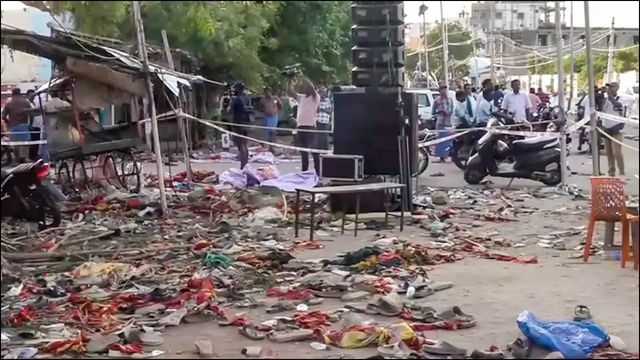
This incident deeply angered not only Gen Z but also the wider population. That is one of the reasons why Karur reportedly witnessed a voting turnout of 98%.
AIADMK was not viewed as an alternative because it lacked a young charismatic leader. With Udhayanidhi Stalin representing DMK and Vijay representing TVK, AIADMK and BJP appeared weak in comparison because they lacked a youthful face capable of emotionally connecting with younger voters.
The Money and Religion Factor
Another major factor behind Vijay's victory was money and religion. Since Vijay is a Roman Catholic, many believe he received support from wealthy Christian businessmen and influential figures. One example frequently cited is Lottery Martin of Tiruchirappalli.
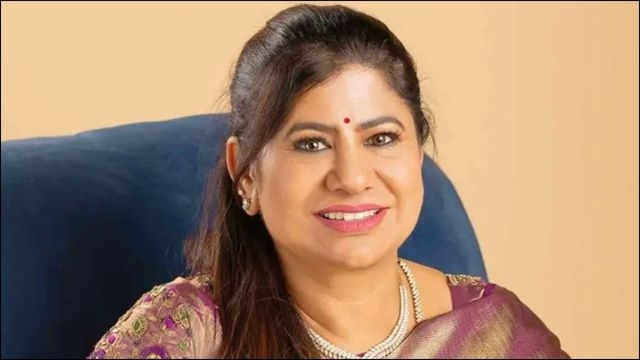
His wife, Leema Rose, won the assembly elections from Lalgudi in Tiruchirappalli while contesting for AIADMK, and his son-in-law Adhav Arjuna won from Villivakkam for TVK. Lottery Martin, as he is popularly called, has long faced allegations of amassing enormous wealth through lottery businesses in Kerala and Tamil Nadu.
Many people believe he became an important financial supporter of Vijay. Some even claim that Vijay was compelled to enter politics due to pressure from such influential backers seeking political protection.
The Analysis
As mentioned earlier, many people voted under pressure from their children and grandchildren. Gen Z voters voted not necessarily for Vijay himself, but for the image they had constructed around him.
Now Vijay faces an enormous challenge. His popularity and fandom brought him votes, but not the magical figure of 118 seats required for a majority. Many of his supporters themselves do not fully understand that he still requires additional seats to become Chief Minister.
Both Vijay and his party are relatively new to politics. They still lack experience regarding party hierarchy, organisational structure, assembly procedures and several other crucial aspects of governance.
Across all 234 constituencies, the margin between TVK and the runner-up party reportedly remained under 50,000 votes. Therefore, this was neither a complete sweep nor a revolutionary wave.
The victory Vijay currently holds may prove more of a burden than a blessing. Christian missionary backing, which allegedly also supported DMK previously, became more subtle in TVK's case. DMK openly displayed such associations, which alienated many Hindus. Vijay, however, carefully avoided speaking against any religion, which significantly improved his appeal among Gen Z voters.
I describe this victory as a curse because DMK and AIADMK will quietly observe Vijay struggling to form a stable government. Since INC naturally supports TVK, owing to perceptions of Christian influence, parties such as PMK and VCK remain hesitant about openly aligning with Vijay. They do not want to acquire a "pro-Christian" image.
From a broader perspective, this development is significant for Hindus in Tamil Nadu. During the 2022 and 2026 elections, DMK leaders openly made controversial and vulgar remarks about Hinduism, and many believe they ultimately faced the consequences of that approach.
After witnessing DMK's decline, allied parties have reportedly become more cautious about criticising Hinduism or appearing excessively aligned with Christianity. Many Hindus feel that they were repeatedly insulted without retaliation. However, after BJP's entry into Tamil Nadu politics, several communities such as Nadars and Thevars began openly expressing support for Hindu identity.
At the same time, a powerful narrative has been planted in the minds of Tamil people unfamiliar with Sanskrit or Hindi: that Sanatan Dharma represents caste discrimination and untouchability. BJP's repeated use of the term "Sanatanis" strengthened this fear among sections of society.
In Tamil Nadu, untouchability has not been widely practised in its harshest forms since the 1940s. Historically, Brahmins even considered other upper-caste Hindus such as Pillais and Mudaliyars untouchable. That historical memory became one of the root causes of anti-Brahmin sentiment in Tamil Nadu.
All these factors together contributed to TVK's victory, a victory which perhaps even TVK itself did not fully expect.
Another reason why Vijay fandom intensified was ironically DMK itself. Before and after the elections, especially before counting day, several political analysts, journalists and DMK supporters openly mocked TVK supporters through digital media.
Some even sarcastically appealed to TVK supporters not to commit self-harm or suicide if Vijay lost the election. Such remarks deeply angered Gen Z voters. As a result, many youngsters pressured their family members and friends to vote for TVK.
Conclusion
This victory does not necessarily guarantee Vijay a successful political future. Expectations surrounding him are extraordinarily high, while political reality is often unforgiving.
Every supporter of Vijay now feels personally victorious. The real challenge lies in how Vijay manages these expectations. The answer to that question will determine the future of TVK's political journey.
Written by

Srija Venkatesh
Columnist, Writers For The Nation
Tamil Nadu, Bharat