Smartphones, Social Media and the Changing Face of Jharkhand's Tribal Society
Can indigenous languages and cultural traditions survive when smartphones, social media and migration increasingly shape the aspirations of younger generations?
Total Views |


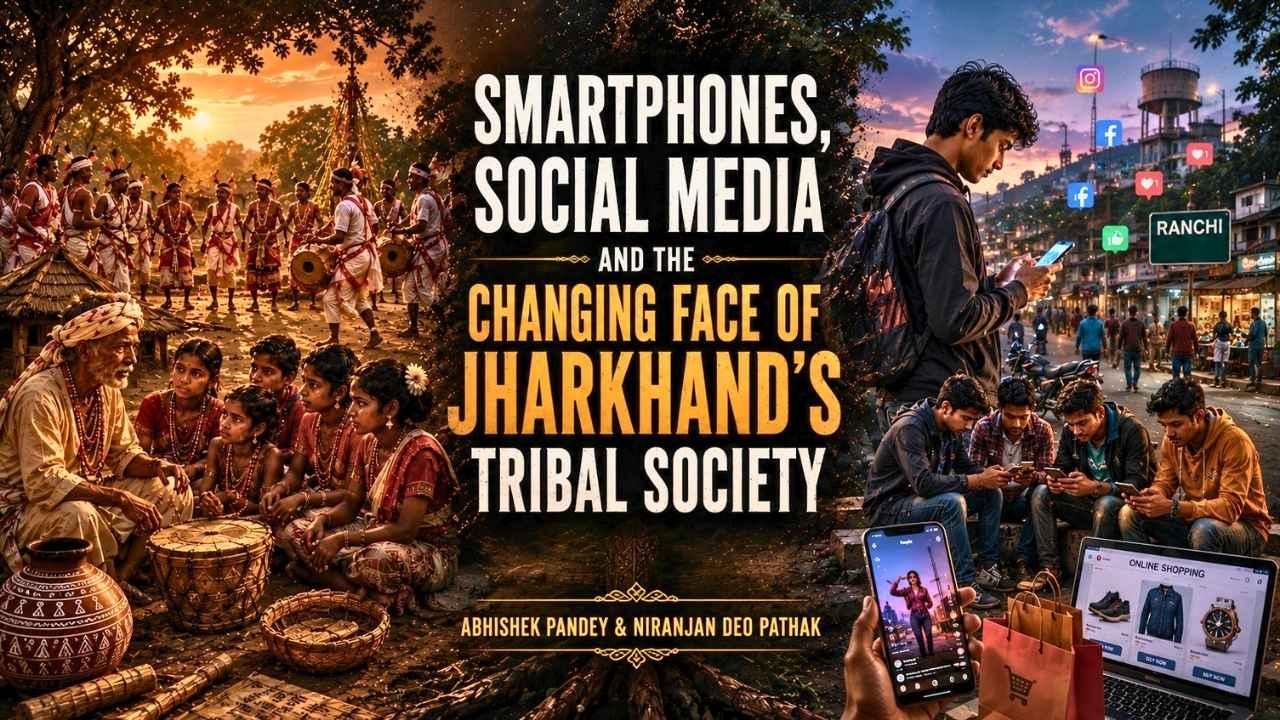
For generations, Jharkhand's tribal communities built their lives around collective values, strong social bonds and a deep connection with nature. Villages celebrated festivals together, families preserved oral traditions, and local languages carried the wisdom of countless generations. Community welfare often took precedence over individual ambition.
Today, however, a different reality is emerging across many parts of the state.
Smartphones, social media platforms, online marketplaces and branded consumer products have entered even remote tribal regions. What began as economic integration has gradually evolved into a broader cultural transformation. New lifestyles, aspirations and consumption habits increasingly influence how people, particularly the younger generation, view success, identity and social status.
The changes are visible across Jharkhand. Traditional festivals now compete with digital entertainment. Local markets face competition from online retailers. Indigenous languages struggle to maintain relevance among younger speakers. At the same time, migration and urbanisation continue to reshape village life.
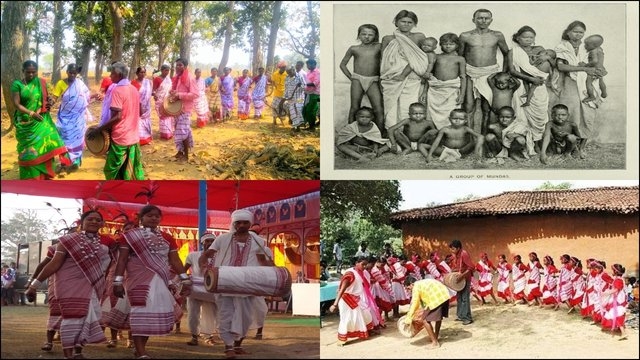
Jharkhand is home to several tribal communities, including the Santals, Mundas, Oraons, Hos and Kharias. These groups have historically organised their social and economic lives around cooperation and collective responsibility.
Land has traditionally represented more than a source of livelihood. Communities have viewed it as a shared inheritance that connects past, present and future generations. Village institutions, traditional leadership systems and collective labour practices have strengthened social cohesion and ensured mutual support.
Festivals such as Sarhul, Karma and Sohrai have played a central role in preserving cultural identity. These celebrations have never served merely as occasions for entertainment. They have reinforced community bonds, honoured nature and passed cultural knowledge from elders to younger generations.
Indigenous languages such as Santali, Mundari, Ho, Kurukh and Kharia have also served as important carriers of history, traditions and worldviews. Through songs, stories and oral narratives, communities have preserved their collective memory.
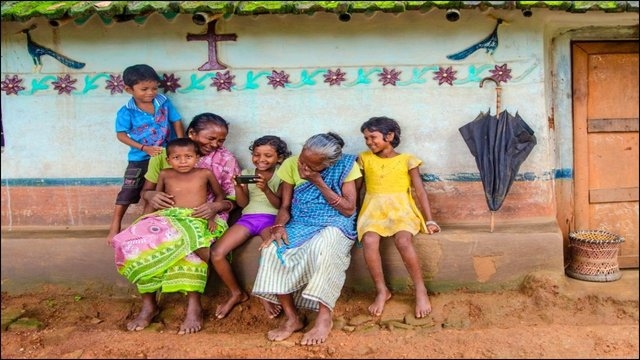
The rapid expansion of internet connectivity has accelerated cultural change.
Affordable smartphones and low-cost mobile data have connected tribal youth to global digital networks. Social media platforms now influence fashion choices, lifestyle preferences and personal ambitions on an unprecedented scale.
Young users regularly encounter images that associate success with expensive products, branded clothing, luxury lifestyles and urban culture. Influencers and online personalities often present consumption as a symbol of achievement and social recognition.
As a result, many young people increasingly compare their lives with carefully curated digital images. This constant exposure creates new aspirations that differ significantly from traditional community-centred values.
The influence extends beyond entertainment. Online shopping platforms allow consumers to purchase branded products with a few clicks. Local artisans, traditional crafts and community-based markets often struggle to compete with large commercial supply chains that reach even remote locations.
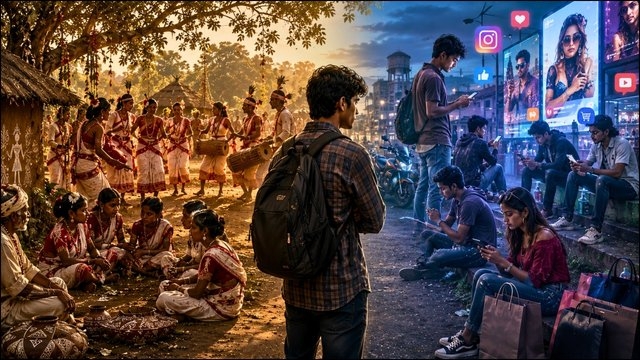
Many tribal youths now find themselves balancing two contrasting worlds.
One world emphasises community responsibility, cultural continuity and collective welfare. The other promotes individual achievement, personal consumption and social visibility.
This tension increasingly appears in everyday life. Modern fashion trends replace traditional attire. Global entertainment shapes cultural preferences. Young people spend less time participating in community gatherings and more time engaging with digital platforms.
In many villages, elders express concern about declining participation in traditional rituals, cultural programmes and community decision-making processes. While younger generations seek new opportunities and experiences, many also struggle to maintain a strong connection with their cultural roots.
The result is a growing sense of uncertainty about identity and belonging.
Written by
Abhishek Pandey & Niranjan Deo Pathak