The Untold Story of Anti-Hindu Violence Across Six Decades
A chronological study of massacres, riots and terrorist attacks that left thousands of Hindus dead and displaced countless families across Bharat.
Total Views |


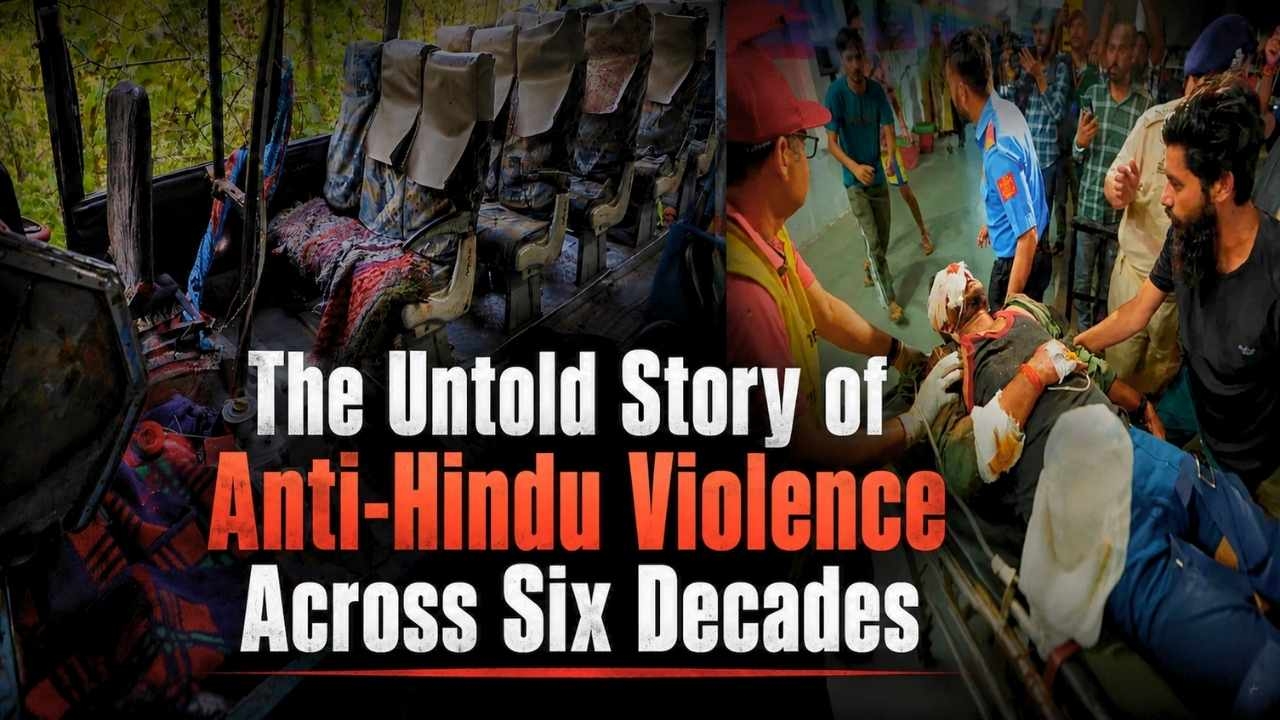
Reasi Attack Reopens an Old Wound
On the evening of 9 June 2024, a bus carrying Hindu pilgrims from Shiv Khori to Katra for the Vaishno Devi Yatra came under a deadly terrorist attack in Jammu and Kashmir's Reasi district. Armed terrorists opened indiscriminate fire on the vehicle, causing it to plunge into a deep gorge. Nine pilgrims lost their lives, and more than forty others were injured.
The attack represented the continuation of a long and disturbing pattern in which Hindu civilians, pilgrims, temple-goers and minority Hindu communities have repeatedly been targeted by terrorists, separatists and communal mobs across different parts of Bharat.
From the exodus of Kashmiri Pandits in 1990 to the Reasi attack of 2024, numerous incidents reveal a recurring trajectory of violence directed against Hindu communities. These events span terrorism in Jammu and Kashmir, attacks on temples and pilgrimage routes, communal riots, and massacres in rural settlements.
Several attacks over the past decades have specifically targeted Hindu religious institutions and pilgrimages.
Amarnath Pilgrimage Attacks (2000 and 2017)
The annual Amarnath Yatra has repeatedly been targeted by terrorists.
In August 2000, terrorists launched coordinated attacks on pilgrims and camps associated with the yatra, leading to one of the deadliest assaults on Hindu pilgrims in independent India. More than 80 people were reportedly killed.
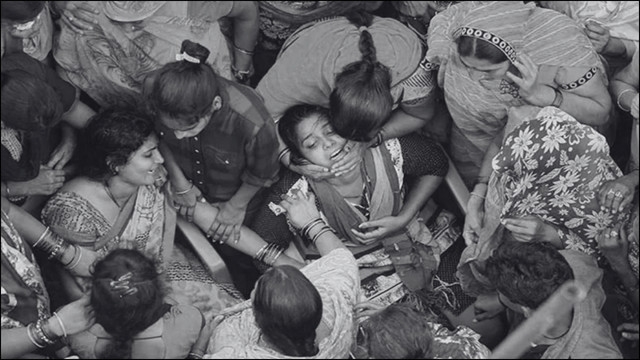
Seventeen years later, on 10 July 2017, terrorists attacked a bus carrying Amarnath pilgrims near Anantnag. Eight pilgrims lost their lives, and many others were injured.
These attacks demonstrated how pilgrimage routes became symbolic targets for extremist groups seeking to spread fear and disrupt religious practices.
Raghunath Temple and Akshardham Attacks (2002)
On 30 March 2002, terrorists attacked Jammu's historic Raghunath Temple, killing worshippers and injuring many others. A second attack on the temple occurred later the same year.
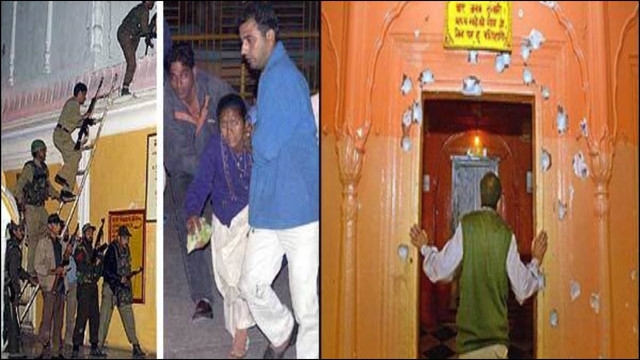
Just months afterwards, terrorists stormed the Akshardham Temple complex in Gandhinagar, Gujarat. The attackers opened fire indiscriminately on devotees, resulting in the deaths of dozens of civilians. The incident shocked the nation and led to a major counter-terror operation by National Security Guard commandos.
Sankat Mochan Temple Blast (2006)
On 7 March 2006, terrorists carried out coordinated bomb blasts in Varanasi, including one at the revered Sankat Mochan Temple.
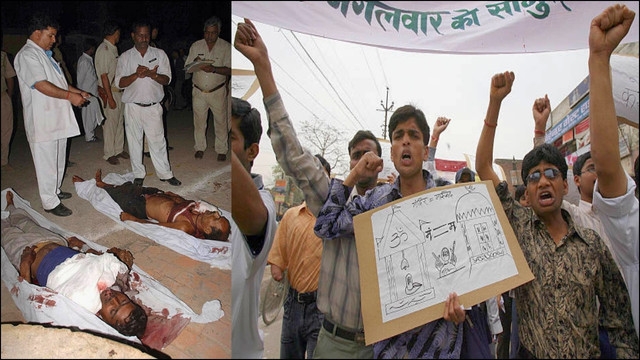
Devotees gathered for evening prayers became victims of a carefully planned attack designed to maximise casualties and create communal tension.
The Kashmiri Pandit Exodus (1990)
19 January 1990 remains one of the darkest dates in the history of Kashmir's Hindu community.
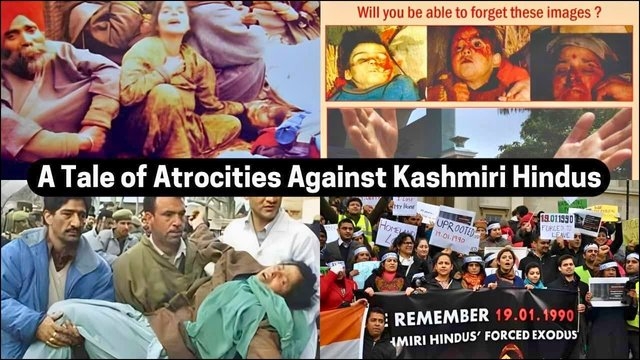
As separatist militancy intensified, threatening slogans echoed through mosques and public spaces. Targeted killings of prominent Kashmiri Hindus created an atmosphere of terror. Facing threats, intimidation and violence, hundreds of thousands of Kashmiri Pandits fled the Valley.
The exodus transformed the demographic and cultural landscape of Kashmir. Entire neighbourhoods were abandoned, temples fell into neglect, and a centuries-old civilisational presence was drastically reduced.
Wandhama, Nandimarg and Other Massacres
Even after the exodus, the remaining Hindu population continued to face brutal attacks.
In January 1998, terrorists massacred 23 Kashmiri Pandits in Wandhama village.
In March 2003, terrorists disguised in army uniforms reportedly gathered Pandit families in Nandimarg and executed 24 people, including women and children.
These killings reinforced fears among displaced communities that returning to their ancestral homeland remained unsafe.
Prankote Massacre (1998)
Terrorists attacked villages in Reasi district and killed dozens of Hindu villagers, including women and children. The brutality of the killings triggered large-scale displacement from the affected areas.
Chapnari Massacre (1998)
In Doda district, terrorists reportedly singled out Hindu villagers during a wedding gathering and killed 26 people.
Kishtwar Massacre (2001)
Seventeen Hindu villagers were murdered after terrorists entered the village disguised as security personnel.
Qasim Nagar Massacre (2002)
Poor labourers living in temporary settlements near Jammu city became victims of a terrorist assault that killed more than two dozen civilians, including women and children.
Doda Massacre (2006)
Armed terrorists lined up Hindu villagers and opened fire at close range, killing more than twenty people. The massacre became another reminder of how remote Hindu-majority settlements remained vulnerable to extremist violence.
Godhra: The Spark That Changed Gujarat
The burning of the Sabarmati Express coach at Godhra on 27 February 2002 remains among the most controversial and consequential incidents in modern Indian history.
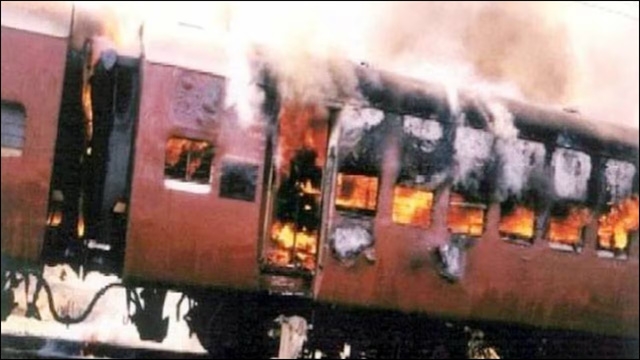
Fifty-nine passengers, many of whom were returning from Ayodhya, were killed when the coach was set ablaze near Godhra railway station.
Subsequent investigations, court proceedings and commissions generated intense political debate. However, the deaths of the passengers became a defining national event and triggered widespread unrest across Gujarat.
Muzaffarnagar Riots (2013)
Violence in western Uttar Pradesh followed escalating tensions after a local dispute. The riots resulted in significant loss of life and displacement. Thousands were forced to leave their homes as communal polarisation intensified.
Canning Violence, West Bengal (2013)
Following the murder of a local religious leader, rumours spread rapidly, leading to attacks on Hindu homes and businesses. Large-scale arson and displacement followed, leaving many families homeless.
Delhi Riots (2020)
Violence in north-east Delhi during protests against the Citizenship Amendment Act resulted in dozens of deaths and widespread destruction. Investigations and court proceedings continue to generate political debate regarding responsibility and planning behind the violence.
Moradabad Violence (1980)
The Moradabad riots emerged amid tensions surrounding Eid congregations and allegations involving communal provocations. The violence claimed numerous lives and remains one of the most debated communal episodes in post-independence India.
Calcutta Riots (1964)
Triggered by tensions following the Hazratbal relic controversy and developments in East Pakistan, communal violence spread across Kolkata. Hundreds were killed, and large parts of the city witnessed prolonged unrest.
Beyond Statistics: The Human Cost
Each massacre, riot, terrorist strike and targeted killing represents more than a casualty figure. Behind every incident are stories of displaced families, orphaned children, destroyed livelihoods and communities forced to live with trauma.
The Kashmiri Pandit exodus transformed one of India's oldest Hindu communities into refugees within their own country. Villages in Doda, Kishtwar, Reasi and other districts lost entire generations. Pilgrims undertaking sacred journeys found themselves in the crosshairs of terrorists.
Across six decades, these incidents have remained part of a broader and deeply contested narrative about security, communal relations, terrorism and minority rights in Bharat. For the victims and survivors, however, the consequences extend far beyond politics and statistics, leaving enduring scars that continue to shape communities long after the violence has ended.
Written by

Kewali Kabir Jain
Journalism Student, Makhanlal Chaturvedi National University of Journalism and Communication