Price of Diverging from Xi's Political Line: Economist Fang Xinghai Faces Probe in China's Latest Purge
Once trusted to modernise China"s markets, Fang Xinghai now joins a growing list of senior officials caught in Xi Jinping"s widening political purge.
The Narrative World 30-Jul-2026
Total Views |


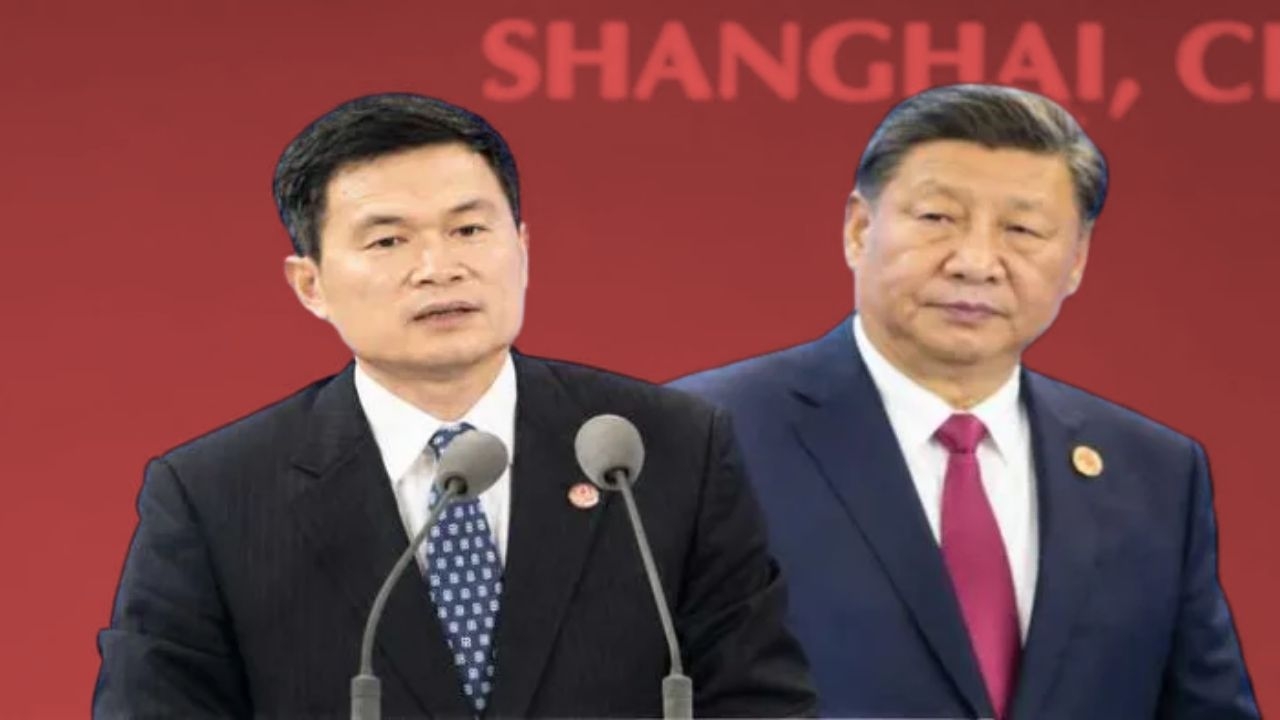
The decision to place former China Securities Regulatory Commission (CSRC) Vice Chairman Fang Xinghai under investigation has triggered fresh debate over the true nature of Beijing's ongoing anti-corruption campaign. What once appeared focused mainly on financial wrongdoing is increasingly viewed as a tool for sidelining technocrats whose economic thinking conflicts with the political priorities of Chinese President Xi Jinping.
Fang, 62, a US-trained economist long regarded as one of China's most internationally networked financial officials, came under formal scrutiny on 24 July almost two years after leaving the securities regulator. Authorities have not publicly detailed the charges. Analysts nevertheless argue that the move points to a deeper shift, with ideological conformity and personal loyalty to the leadership steadily eclipsing professional competence and global experience.
For years Fang embodied the cohort of Western-educated Chinese officials invited home to modernise the economy and deepen links with international markets. His fall from grace has prompted questions about whether that chapter in China's development has closed.
A Career Built on Global Credentials
Fang's international standing predates his senior regulatory roles. He completed a doctorate in economics at Stanford University under Joseph Stiglitz, who later received the Nobel Prize, and subsequently worked for the World Bank. He returned to China in 1998, part of a wider wave of overseas-trained economists responding to the country's call for talent.
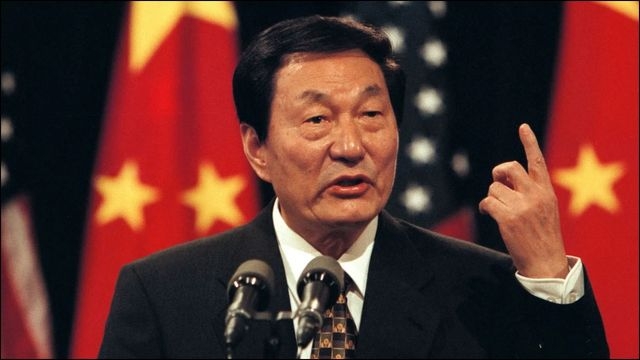
His decision to return was shaped by comments from then-Vice Premier Zhu Rongji, who in 1997 expressed regret that many of his former students preferred to remain abroad rather than contribute to China's progress. Once back, Fang rose through key institutions, holding senior posts at China Construction Bank, China Galaxy Securities, the Shanghai Stock Exchange and the Shanghai municipal government.
His command of English, familiarity with global finance and network of international contacts made him a frequent face for foreign investors. At the CSRC he served as vice chairman and a Communist Party committee member, emerging as a consistent advocate of capital-market reform and a regular representative of China at major financial gatherings abroad.
Ironically, Fang's earlier career also intersected with Xi Jinping's ascent. When Xi briefly served as Shanghai Party Secretary in 2007, Fang held a senior financial position in the city and was among the local officials who later advanced under Xi's national leadership.
Two Competing Visions
Despite that shared history, observers maintain that Fang and Xi ultimately stood for different economic futures. Fang belonged to the reform-minded strand of the Chinese Communist Party associated with former Premier Zhu Rongji's officials, who favoured greater market openness and closer integration with global finance. His academic background and policy preferences increasingly clashed with Xi's more ideological style of governance. And, therefore, this led to his shoulders getting dusted, for what he comes from.
Loyalty Over Expertise
Notably, this attention has also returned to Fang's 2019 remarks at the World Economic Forum in Davos. In a video that has recently circulated again, he observed that Western democracies faced serious difficulties and needed "political reform", drawing laughter from the audience. Commentators caution against reading the comments as radical. In China's system, even relatively liberal officials are expected to voice orthodox Party positions while in power.
Few senior Party cadres are thought to have navigated a system long marked by widespread corruption entirely without compromise. Yet many observers believe the primary impulse behind the investigation is political rather than purely financial. Disciplinary findings, they expect, will likely feature the familiar charges of "political disloyalty” and "dishonesty", routinely applied to officials who have fallen from favour.
Written by

Kewali Kabir Jain
Journalism Student, Makhanlal Chaturvedi National University of Journalism and Communication

नैरेटिव डेस्क
नैरेटिव डेस्क