‘Nation’ VS ‘Class’: The Fundamental Ideological Dilemma of The Indian Left
How an Imported Ideology of Class Struggle Shaped the Indian Left’s National Question and Contributed to Its Historical and Electoral Decline
Total Views |


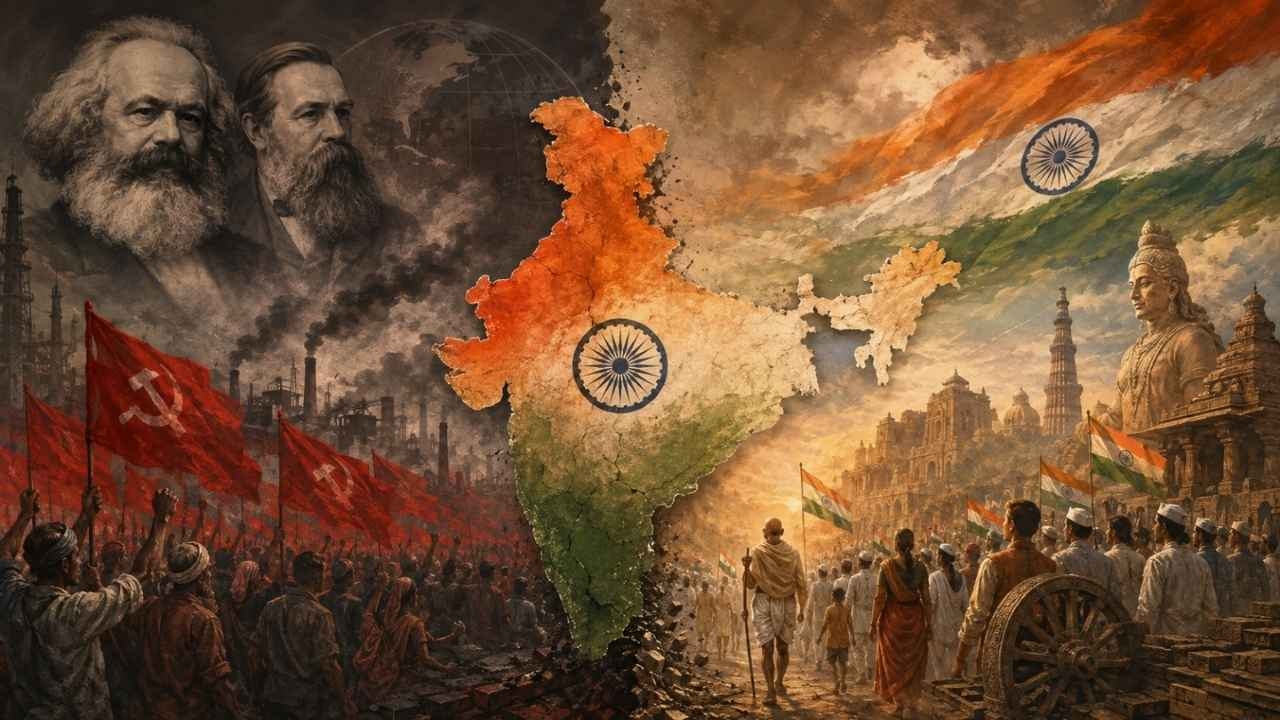
For a century, the Indian Left has wrestled with a fundamental question: when class interests, international proletarian solidarity and national identity collide, which takes precedence? This tension has shaped the Communist movement’s approach to India’s freedom struggle, national unity and political identity.
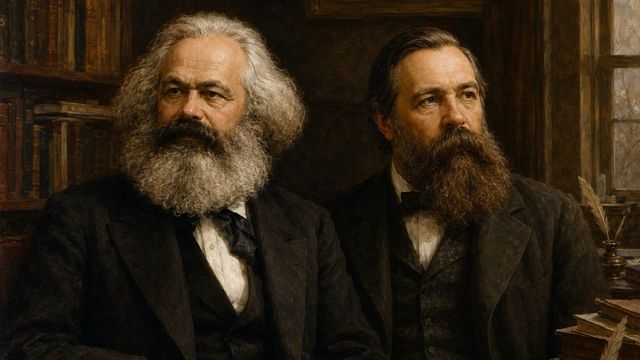
Rooted in Marxist theory and later Marxism-Leninism, Communism placed class struggle at the centre of its understanding of history. Karl Marx and Friedrich Engels viewed history largely through class conflict, while the Communist Manifesto called on “Workers of the world, unite” – reflecting the principle of proletarian internationalism.
Applied to India, however, this European ideological framework encountered a civilisation with deep cultural continuity and a freedom movement centred substantially on national independence.
The Ideological Roots
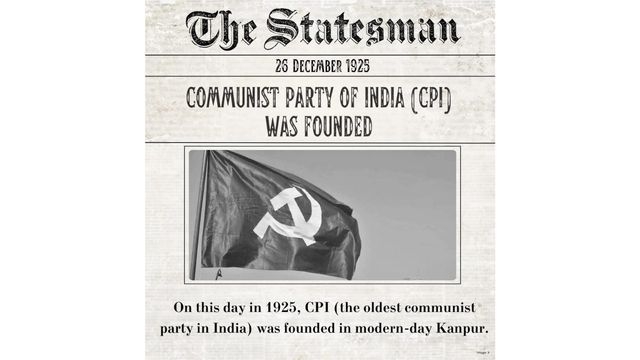
The CPI was formally founded at Kanpur in 1925. It organised workers and peasants and contributed to several labour and agrarian struggles, but remained connected to the international Communist movement. The sharpest conflict came during the Second World War.
Quit India: “People’s War” Over Immediate Independence
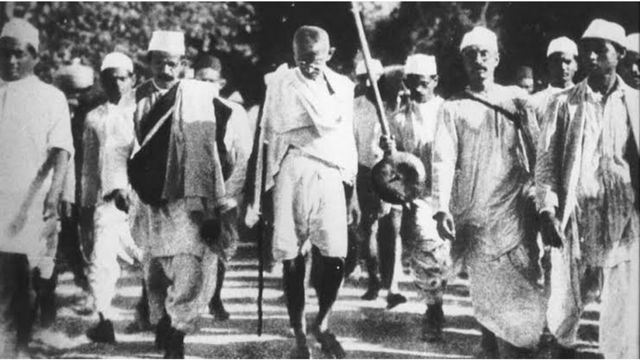
After Nazi Germany invaded the Soviet Union in June 1941, the CPI reclassified the war as a “People’s War” against fascism. When Congress launched the Quit India Movement in August 1942, the CPI opposed the call, arguing that defeating fascism and defending the Soviet Union had become the overriding priority.
This position isolated the CPI from the mainstream nationalist movement at a moment when Congress leaders and thousands of activists were imprisoned.
The record is more complex than simply calling the CPI “pro-British”: it also demanded a national government and continued labour, peasant and relief activities. But the episode clearly demonstrated how international Communist priorities could override participation in the immediate anti-colonial struggle.
The Adhikari Question
The same ideological tension appeared in the CPI’s Adhikari Thesis, formally adopted as the 1942 resolution On Pakistan and National Unity and confirmed in 1943.
Drawing on the Marxist concept of the nationality question, the CPI supported the principle that distinct nationalities could exercise self-determination, including the right to separate. The party argued that this was different from the Muslim League religious Two-Nation Theory.
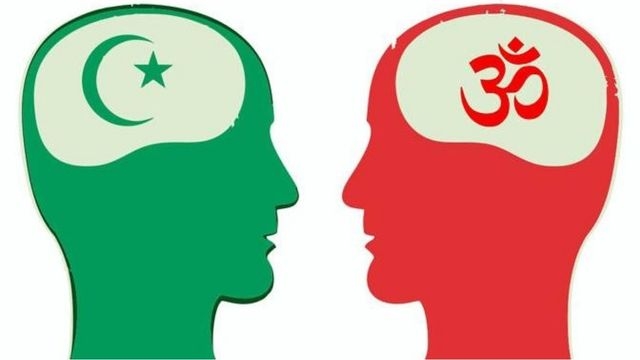
Yet the practical consequence was controversial: the Communist movement had accommodated a framework that permitted territorial separation. Later Communist documents themselves acknowledged serious errors in this approach.
These episodes illustrate the central dilemma: internationalist ideology could sometimes take precedence over an undivided conception of the Indian nation.
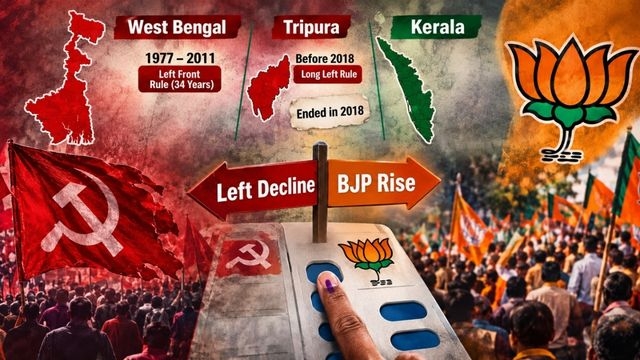
The decline cannot be attributed to ideology alone. Caste politics, regional identities, economic changes, leadership, coalition politics and the rise of competing political forces have all played roles.
The Larger Question: Class or Nation?
The deeper ideological problem remains whether a politics centred on class conflict can adequately respond to identities built around civilisation, culture, language, religion, national security and territorial integrity. However, Nationalism does not necessarily contradict social justice.
In a nutshell
The Indian Left’s century-long journey reveals the limits of applying a rigid internationalist class framework to a society whose political life is deeply shaped by civilisation, culture and national belonging.
Its record on Quit India and the Pakistan question shows how ideological commitments could, at crucial moments, pull it away from the dominant currents of India’s national movement.
Its electoral decline has many causes, but the larger political lesson is difficult to ignore. A movement that interprets society primarily through class struggle risks losing relevance when voters also organise their political choices around national identity, cultural memory, regional aspirations and security.
Click here to join The Narrative's WhatsApp channel!
The central question for the Indian Left, therefore, is whether it can move beyond inherited ideological binaries and develop a framework in which social justice strengthens, rather than competes with, India’s national and civilisational consciousness.
Written by

Kewali Kabir Jain
Journalism Student, Makhanlal Chaturvedi National University of Journalism and Communication