Empowerment or Exploitation? The Hidden Lives of Women Maoists
How Maoists Exploited and Weaponised Women Under the Guise of Empowerment
Total Views |


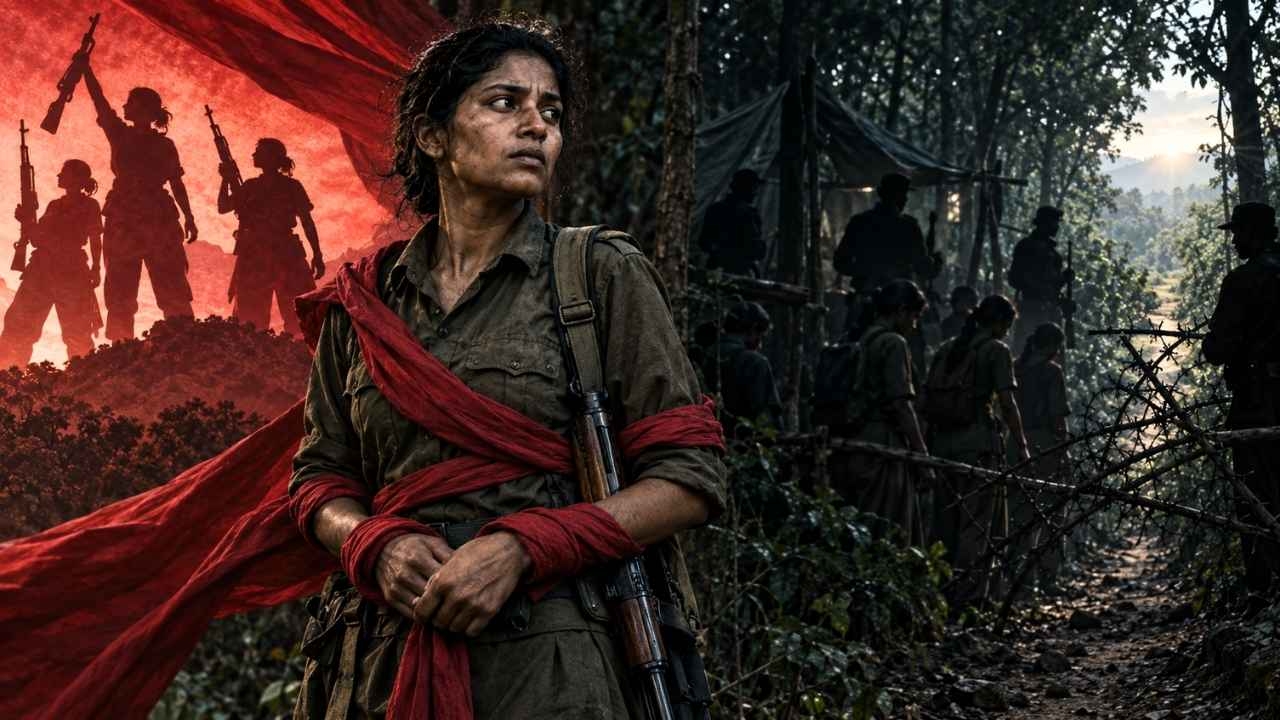
Across India’s forested conflict zones, women have joined Maoist ranks in search of dignity, escape or revolution. Yet testimonies from former cadres raise a troubling question: does Maoist violence really empower women, or merely reproduce exploitation behind the barrel of a gun?
Women have long formed a visible part of the Maoist violence. They served as couriers, guards, recruiters, medical assistants and members of cultural groups. Photographs of uniformed women carrying rifles are frequently used to suggest that the organisation has liberated them from patriarchy.
For some women, joining may initially appear to offer an escape from poverty, domestic violence, forced marriage or restrictive social customs. Whereas, maoist recruiters promise equality, purpose and an opportunity to challenge injustice. In remote tribal regions, where education and employment remain limited, these promises appear powerful to them.
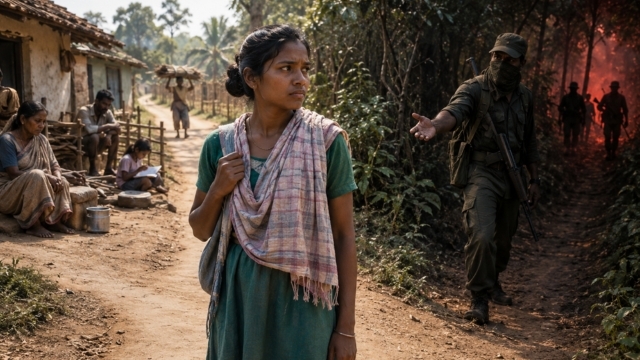
The conditions under which women enter the organisation, however, are not always based on free choice. Females are primarily recruited into village-level cultural groups, where they sing revolutionary songs and attend ideological meetings. Some are later assigned work as messengers or sentries before being moved into armed units.
Families living in Maoist-dominated areas may find it difficult to resist such recruitment. Refusing the organisation can bring suspicion or intimidation. Once a woman enters an underground squad, returning home becomes dangerous. Fear of punishment, arrest or social rejection can prevent her from leaving.
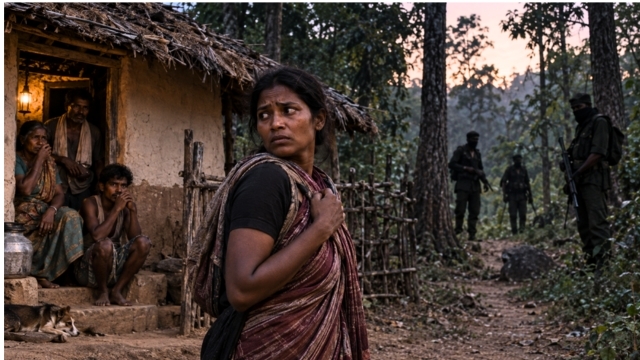
Life inside a Maoist camp also follows a rigid hierarchy. Women are forced to carry weapons and participate in operations, but senior leadership has historically remained dominated by men. Tribal recruits usually occupy lower positions, while influential commanders exercise control over violence, relationships and daily life.
Former cadres and government authorities have alleged that women inside Maoist groups have faced sexual exploitation, forced relationships and pressure concerning marriage or pregnancy. Such allegations should be evaluated carefully because many emerge after surrender or during police questioning. Nevertheless, repeated accounts from different regions challenge the organisation’s public claims of complete gender equality.
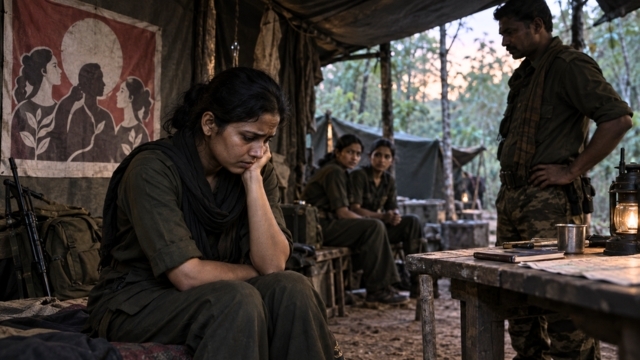
Women cadres also endure the physical hardships of underground life. They travel through forests for long periods, survive with limited food and medical care, and remain exposed to encounters, disease and landmine-related work. Menstrual health, pregnancy and reproductive care can become particularly serious concerns in inaccessible camps.
Women are not merely passive victims. Some have exercised authority, commanded armed units and participated directly in violent attacks. Recognising coercion or exploitation should not erase individual responsibility for crimes. At the same time, treating every woman cadre only as a hardened extremist ignores the social pressure, manipulation and fear that may have shaped her entry and continued participation.
Recent surrenders have revealed growing disillusionment among both male and female cadres. Rehabilitation programmes offer former cadre members – financial assistance, education, better housing and livelihood opportunities. For women, successful rehabilitation also requires confidential healthcare, trauma counselling, legal support and protection from retaliation.
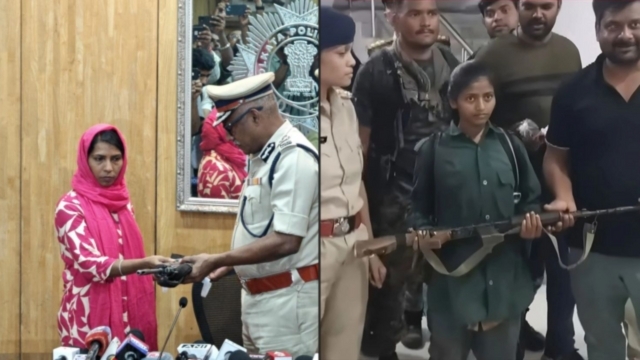
The image of an armed woman may look revolutionary, but a rifle alone does not represent freedom. Real empowerment requires consent, dignity, education and the ability to make independent choices, including the freedom to leave.
If women enter Maoist camps because their vulnerabilities are exploited and remain because escape is dangerous, the promise of liberation becomes another form of control. Behind the propaganda of equality, many women may discover that one oppressive structure has merely been replaced by another.