Why Indian Cinema Is Facing Increasing Censorship Across the Gulf?
17 Dec 2025 16:55:22
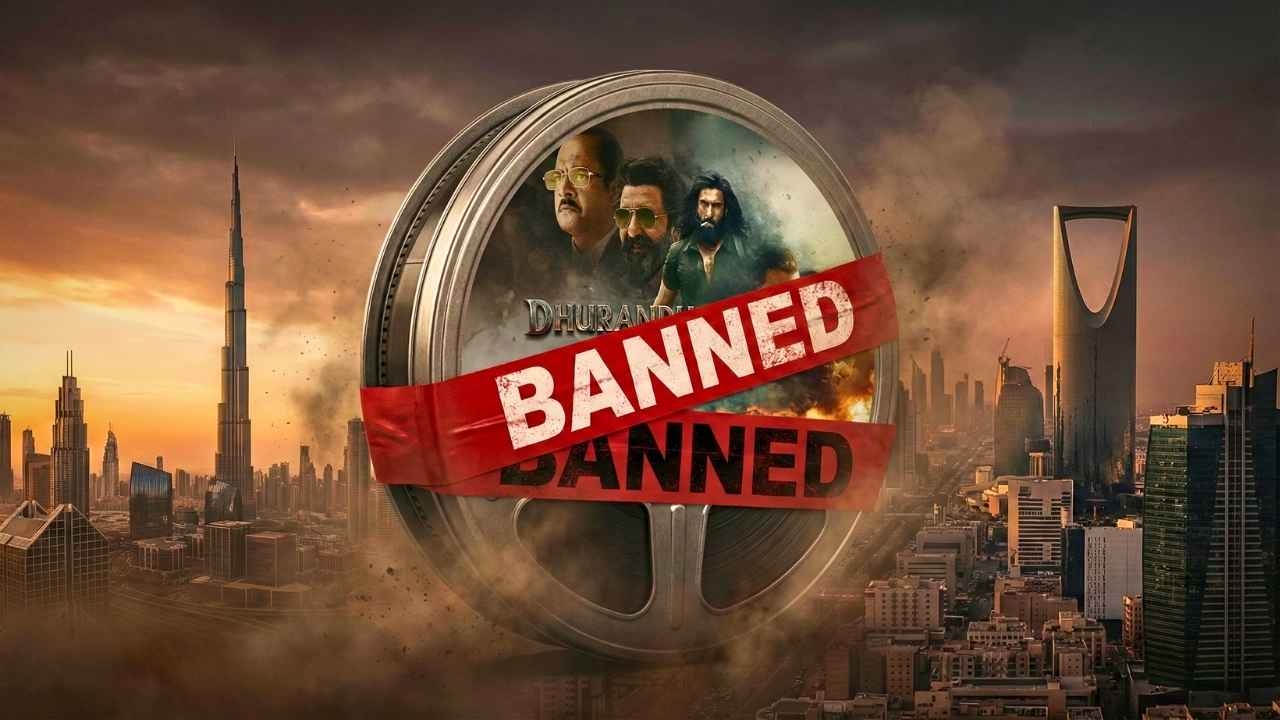
Indian cinema has long enjoyed a strong and loyal audience across the Gulf region. With millions of Indian and South Asian expatriates residing in countries such as the UAE, Saudi Arabia, Qatar, Kuwait, Oman and Bahrain, Bollywood and regional Indian films have traditionally found a receptive and commercially viable market.
However, Aditya Dhar’s Dhurandhar has reportedly been banned across much of the Gulf. This development is not an isolated incident. Over the past decade, a clear and recurring pattern has emerged. Whenever an Indian film engages with themes of national security, historical truth, political reality or social discourse, it increasingly faces bans in Gulf countries under the pretext of religious, cultural or social sensitivity.
Between 2012 and 2025, at least ten major Indian films were either denied certification or outright banned in various Gulf states. These decisions raise serious questions about freedom of artistic expression and the growing discomfort with Bharat’s narrative when it does not align with prevailing ideological or political preferences in the region.
Aditya Dhar’s Dhurandhar
The most recent example is Dhurandhar, released on 5 December 2025 in Bharat and select international markets. Film certification authorities in Bahrain, Kuwait, Oman, Qatar, Saudi Arabia and the UAE refused permission for its release, citing anti Pakistan content and sensitive geopolitical themes.
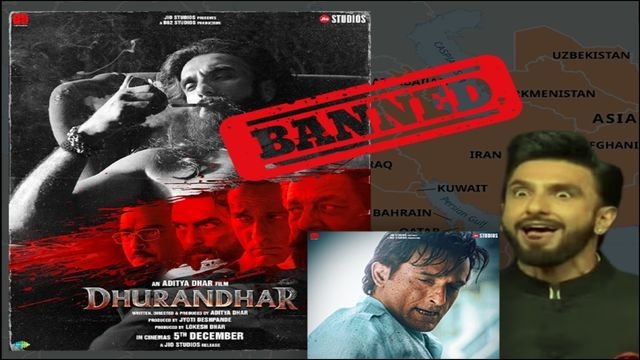
According to Gulf regulators, the presence of large Pakistani and South Asian expatriate populations could potentially lead to social imbalance or public unrest. The film’s producers were reportedly asked to make extensive cuts, which they found unacceptable. As a result, the film faced a complete ban across much of the region.
National Security Narratives Under Pressure
Films dealing with Bharat Pakistan relations and national security have repeatedly faced resistance. In January 2025, Sky Force, starring Akshay Kumar and Veer Pahariya, was banned in the UAE, Saudi Arabia, Qatar, Oman and Kuwait due to its portrayal of military conflict involving Pakistan.
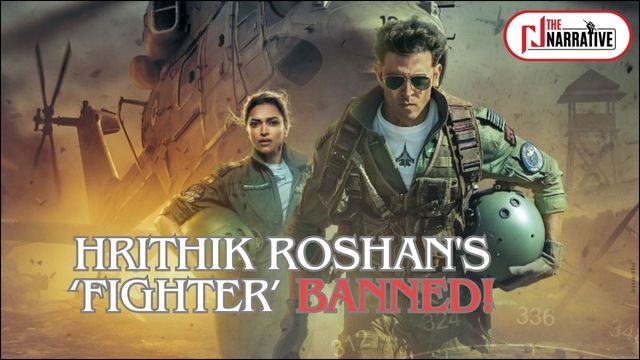
Similarly, Fighter (2024), featuring Hrithik Roshan and Deepika Padukone, was denied certification just hours before its scheduled release in several Gulf countries. Although the UAE initially allowed a limited release, authorities withdrew the film the very next day following objections related to the Indian Air Force and politically sensitive content.
Earlier, Bell Bottom (2021), based on real life aircraft hijackings of the 1980s, was banned in Saudi Arabia, Kuwait and Qatar. The authorities cited allegations of historical distortion and a negative portrayal linked to Islam.
Kashmir, History and Indian Sovereignty
The ban on Article 370 in February 2024 highlighted the Gulf’s unease with Bharat’s internal constitutional decisions. The film, which depicted the abrogation of Article 370 in Jammu and Kashmir, was labelled politically sensitive and controversial. This assessment led to its prohibition across multiple Gulf states.
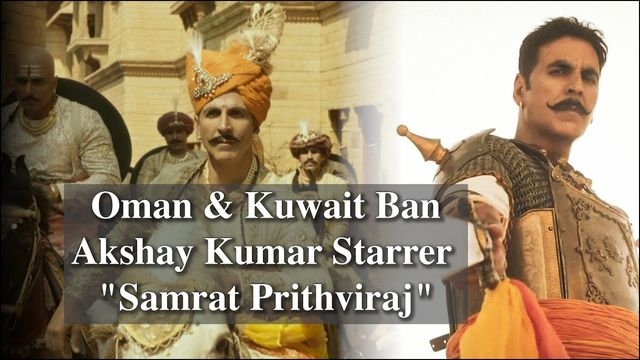
Historical narratives have faced similar treatment. Samrat Prithviraj (2022), based on the life of King Prithviraj Chauhan and his battles against Muhammad Ghori, was banned in Kuwait and Oman. Authorities claimed the film hurt Muslim sentiments, despite its foundation in well documented Indian history.
Cultural and Social Themes: Selective Sensitivity
Some bans have been justified on social or cultural grounds. Kaathal – The Core (2023) was prohibited in Saudi Arabia, Kuwait and Qatar due to its exploration of homosexuality, which authorities stated conflicted with local cultural norms.
Meanwhile, action and crime dramas such as Tiger 3, Beast and Gangs of Wasseypur faced accusations of portraying Muslim characters negatively or containing excessive violence and offensive language. Notably, several of these films continued to screen successfully in other international markets, including parts of the Middle East.
Together, these repeated bans reflect a tightening space for Indian cinematic narratives in the Gulf. While cultural sensitivity remains a stated concern, the selective nature of these decisions increasingly suggests discomfort with Bharat’s political, historical and social perspectives when they challenge dominant narratives in the region.
Article by

Kewali Kabir Jain
Journalism Student, Makhanlal Chaturvedi National University of Journalism and Communication