When Vigilantism Thrives, Hindu Lives Are Lost
Behind each mob killing lies a shattered Hindu family, where ordinary lives were lost to sudden violence born of hatred, rumours and the absence of protection.
Total Views |


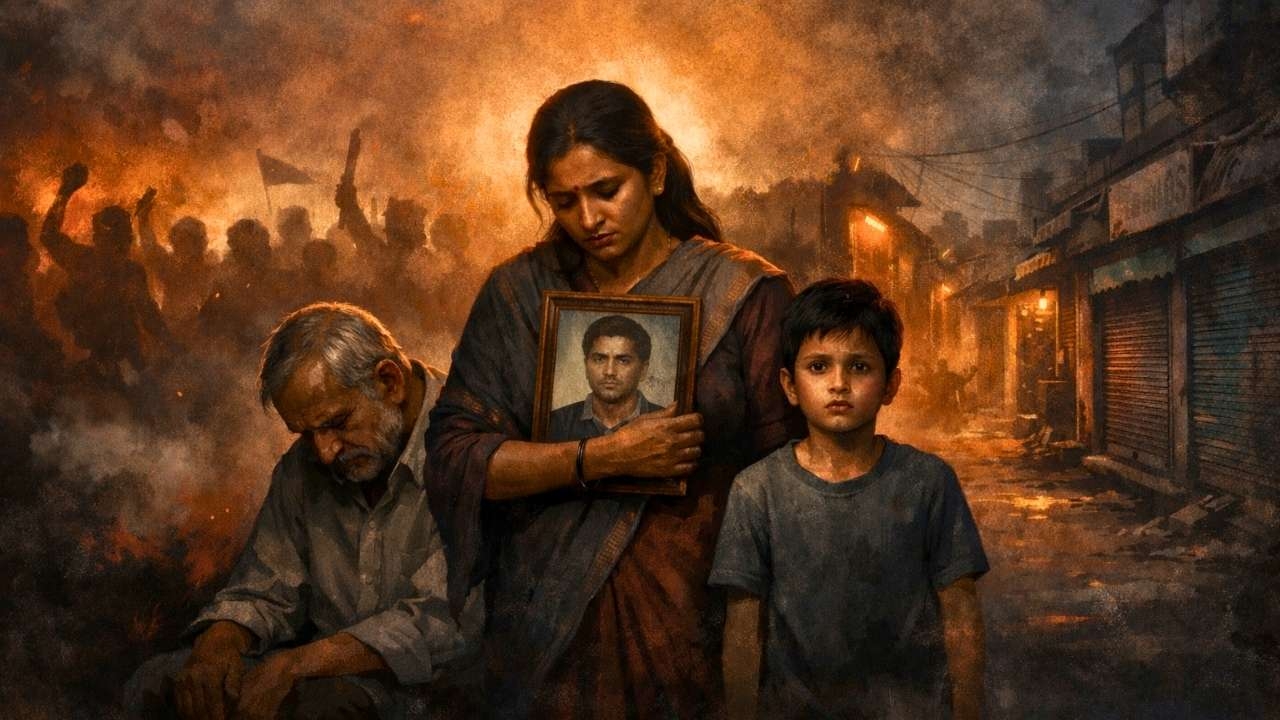
Over the past decade, Bharat and, in several instances, neighbouring Bangladesh have witnessed a disturbing pattern of mob violence leading to the deaths of Hindu individuals. Based on publicly reported cases between 2015 and 2026, at least 50 incidents have been recorded in which Hindus were killed following assaults by mobs identified in police records and media reports as largely Muslim groups.
These incidents span multiple states, social backgrounds, and circumstances, ranging from alleged theft accusations and personal disputes to religious processions, inter-community tensions, and large-scale riots. While motives vary from case to case, a common thread runs through these episodes: the failure of timely intervention, the rise of brutal vigilantism, and the loss of innocent lives.
Recent Case from Bangladesh
The most recent reported incident occurred on 18 January 2026 in the Kaliganj police station area of Gazipur district in Bangladesh. In this case, 55-year-old Hindu trader Liton Chandra Ghosh, the owner of Baishakhi Sweetmeat and Hotel, was beaten to death by a mob following a minor altercation. According to local reports, the confrontation escalated rapidly, leaving the victim with fatal injuries. The incident once again underscored how swiftly collective violence can spiral beyond control, particularly in environments where law enforcement fails to intervene in time.
Patterns Across Indian States
Between 2018 and 2025, similar cases were reported across West Bengal, Uttar Pradesh, Maharashtra, Karnataka, Rajasthan, Bihar, Odisha, Delhi, Haryana, Jharkhand, Tamil Nadu, and Kerala.
In many of these states, violence emerged from a breakdown of the rule of law, where mob lynching over suspected theft or livestock-related allegations became a brutal form of so-called instant justice. These impulses often merged with existing communal friction, transforming religious processions and festivals into flashpoints for riots and targeted killings.
Beyond overt religious tension, this aggression frequently flowed downward towards the most vulnerable sections of society. Daily-wage workers, migrants, and small traders often bore the brunt of both personal disputes and entrenched social prejudice. Whether driven by misinformation, religious fervour, or socio-economic inequality, such acts replaced legal due process with collective and unchecked brutality.
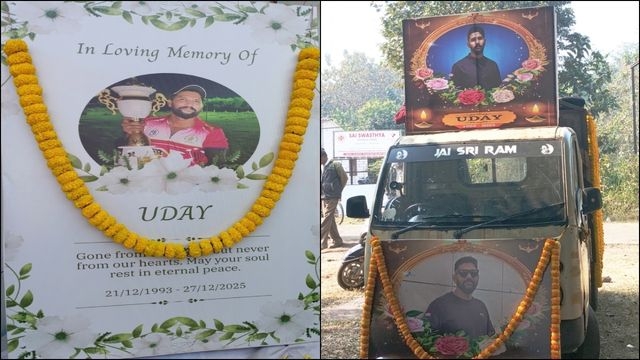
In West Bengal, the 2025 death of civic volunteer Tulsi Rao near Kharagpur illustrated how even a minor altercation could turn fatal once collective aggression took hold. Similarly, Uttar Pradesh witnessed a persistent wave of lynchings and mob beatings in districts such as Shahjahanpur and Bahraich. Maharashtra and Karnataka also recorded multiple fatalities linked to alleged thefts or personal rivalries, often aggravated by extremist elements or the complete failure of local mediation mechanisms.
These localised incidents often reflected the broader and more organised violence seen during large-scale communal upheavals, most notably the 2020 North-East Delhi riots. During that period, the loss of life cut across socio-economic lines, claiming the lives of security personnel such as Ankit Sharma and Ratan Lal, as well as daily-wage workers and marginalised civilians. Whether the violence erupted spontaneously after a minor argument at a railway station or unfolded as a coordinated attack during a riot, the underlying pattern remained the same. Legal due process gave way to communal or local vigilantism, leaving vulnerable populations in a state of constant risk.
Victims Across the Social Spectrum
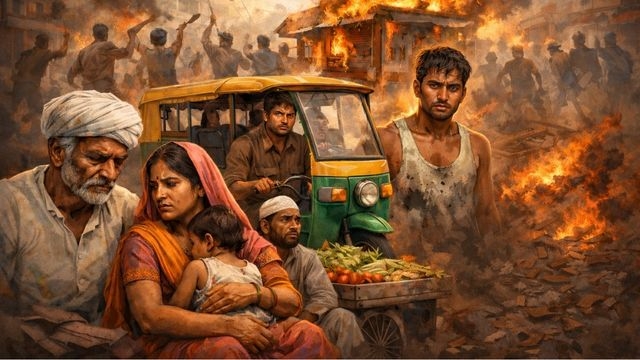
The impact of mob violence and communal rioting has been felt most acutely by those living at the margins of society. The victims did not belong to a single class or occupation but represented a broad cross-section of the working poor and marginalised communities.
Economically Vulnerable: Farmers, agricultural labourers, and daily-wage workers, including several of those killed during the 2020 Delhi riots, often found themselves trapped in violence while attempting to secure work or protect modest livelihoods.
Small-Scale Entrepreneurs: E-rickshaw drivers, street vendors, and small shopkeepers frequently became targets in public spaces, where they remained most exposed to spontaneous street justice or communal arson.
Marginalised Communities: Members of scheduled castes and Valmiki communities appeared disproportionately affected, with collective aggression often rooted in long-standing structural discrimination and social exclusion.
Frontline Defenders: Police personnel and civic volunteers, such as Head Constable Ratan Lal and Tulsi Rao, lost their lives while attempting to control mobs or restore public order.
Legal Action and Convictions
In several cases, authorities registered FIRs, made arrests, and filed charge sheets. Some incidents, including the Murshidabad father-son murder case, resulted in convictions following fast-track trials. Despite these outcomes, victims' families and civil society groups continued to raise serious concerns about delayed justice, witness intimidation, and selective silence in many other cases.
Taken together, the documented incidents over the past decade reveal a grim picture of recurring mob violence, institutional lapses, and the erosion of the rule of law. The persistence of such attacks raises urgent questions about accountability, enforcement, and the protection of vulnerable communities in both Bharat and the wider region.
Written by
Kewali Kabir Jain
Journalism Student, Makhanlal Chaturvedi National University of Journalism and Communication