From Clubs to Kirtan: How Gen Z Is Reclaiming Spiritual Spaces Through Bhajan Clubbing
PM Narendra Modi Applauds Bhajan Clubbing in Mann Ki Baat, Calls It a Concert-Like Celebration Rooted in Devotion.
Total Views |


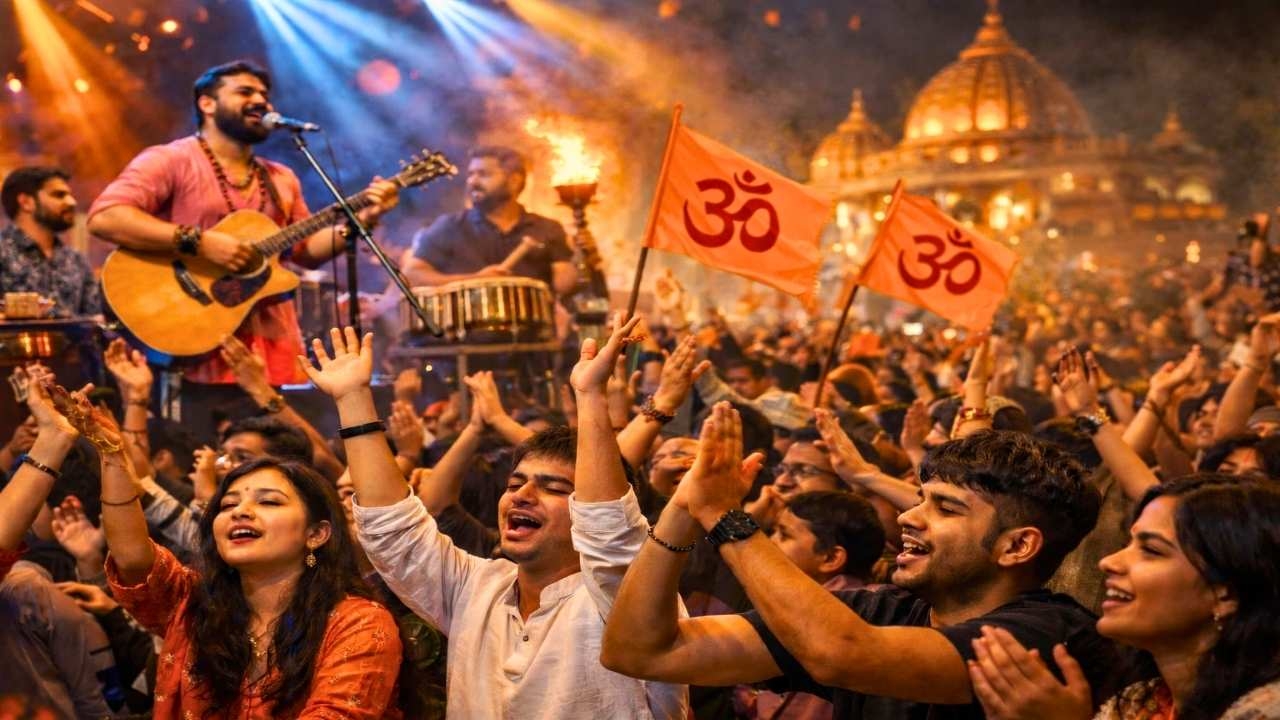
The rise of bhajan clubbing represents a profound and heartening revival of Sanatan Dharma among India’s youth, particularly Generation Z. Far from being a fleeting trend, this movement signals a conscious reclamation of Bharatiya cultural and spiritual roots in an era shaped heavily by Western influences and superficial entertainment. Viral videos and well-attended events across cities show young Indians blending timeless bhakti with contemporary energy. They are creating alcohol-free, devotion-centred gatherings that echo ancient kirtans while resonating with modern sensibilities.
Our Gen-Z is taking to Bhajan Clubbing...it is spirituality and modernity merging beautifully, particularly keeping in mind the sanctity of the Bhajans. #MannKiBaat pic.twitter.com/AIG4K55bOr
— Narendra Modi (@narendramodi) January 25, 2026
Prime Minister Narendra Modi recently acknowledged this emerging cultural phenomenon during an episode of Mann Ki Baat. He described bhajan clubbing as a concert-like celebration rooted in devotion, recognising it as a positive expression of faith among the youth.
Spiritual Devotion at Concert Scale
The early signs of this movement appeared in 2023 in Gurugram, where young devotees began gathering every Tuesday outside Desire Bakery in Sector 22 to recite the Hanuman Chalisa. What started as a modest devotional circle soon evolved into a recurring public tradition, drawing larger crowds with each passing week.
#Watch | Introducing a night club-like atmosphere, minus the alcohol, bhajan clubbing is catching on in many Indian cities, including in Delhi, Kolkata and Bengaluru, as well as the US. Participants skew towards Gen-Z, who enjoy the sense of community it brings. Members of the… pic.twitter.com/KChsMZSMPR
— The Hindu (@the_hindu) January 22, 2026
In Jaipur, viral clips show Gen Z joyfully singing bhajans in group settings instead of spending evenings in conventional nightclubs. In Chennai, devotional singers Sai Vignesh and Sindhvi have captivated young audiences through performances staged in club-style environments that remain free from obscenity or vulgarity. In Jabalpur’s Gwarighat, young organisers have clearly positioned bhajan clubbing as a constructive alternative to intoxication and unruly nightlife.
Bengaluru’s live devotional concert circuits have also adopted this format. Organisers blend traditional kirtan with amplified stage production, dynamic lighting and immersive soundscapes, creating a devotional ambience that mirrors contemporary music festivals while retaining spiritual depth.
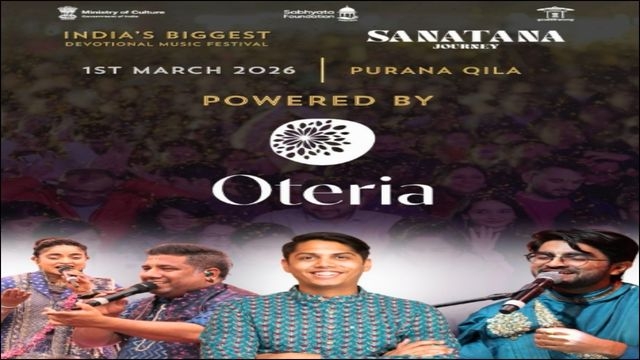
The trend has manifested vibrantly in recent months. On 1 March 2026, the Sanatana Journey festival at Purana Qila in Delhi is set to host a full day of spiritual celebration. The programme features devotional singers, Phoolon ki Holi, meditation sessions and satvik food, all within a festive yet uplifting atmosphere. Earlier this week, during Delhi University’s Vasantotsav 2026 beginning on 10 February, students organised bhajan clubbing events across colleges. Bands such as Leela Band, Raghav Raja, Sadho Band and Keshavam Band drew enthusiastic student participation. Authorities supported these initiatives with the stated aim of reconnecting young people with tradition through engaging, concert-style formats.
Prominent devotional ensembles including Madhavas Rock Band and Keshavam Rock Band have infused bhajans dedicated to Lord Krishna, Shiva, Ram and Ganesh with rock elements, electronic beats, guitars and drums. These adaptations transform the traditional harmonium-led presentation into high-energy performances without diluting devotional essence. Participants raise their hands, sway rhythmically and chant "Jai Shri Ram" or "Hare Krishna," experiencing what many describe as a clean high rooted in community, positivity and inner peace.
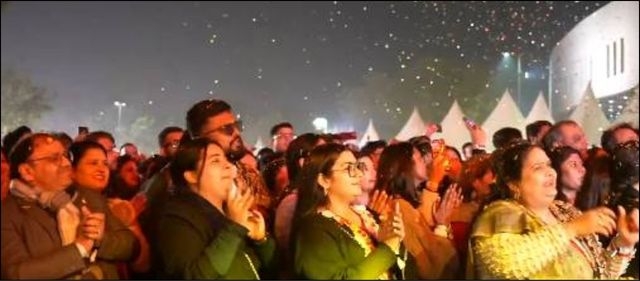
Such events frequently incorporate tilak ceremonies, devotional merchandise and inclusive atmospheres that welcome participants from diverse backgrounds. Thousands attend these gatherings, drawn by the promise of joy without alcohol or negativity.
This shift extends beyond entertainment. It reflects Gen Z’s search for meaningful experiences in a time often marked by stress, digital saturation and social disconnection. Bhajan clubbing offers emotional stability, collective harmony and disciplined celebration. It redefines the idea of being high, moving it away from substance-driven escapism towards soul-elevating devotion.
Importantly, this movement challenges narratives that portray youth as alienated from tradition. Instead, it demonstrates that Bharatiya cultural inheritance continues to inspire creative convergence between modern musical expression and eternal spirituality. Through bhajan clubbing, a generation raised amid globalised influences is rediscovering and reinterpreting sacred traditions on its own terms, ensuring that devotion remains vibrant, relevant and powerfully communal in contemporary India.
Written by

Kewali Kabir Jain
Journalism Student, Makhanlal Chaturvedi National University of Journalism and Communication