The Dantewada Bus Bombing: Revisiting One of Bharat's Deadliest Maoist Attacks
Years before anti-Maoist operations weakened Maoist networks, the Dantewada bus bombing showed the severe human cost of red terror in Chhattisgarh.
Total Views |


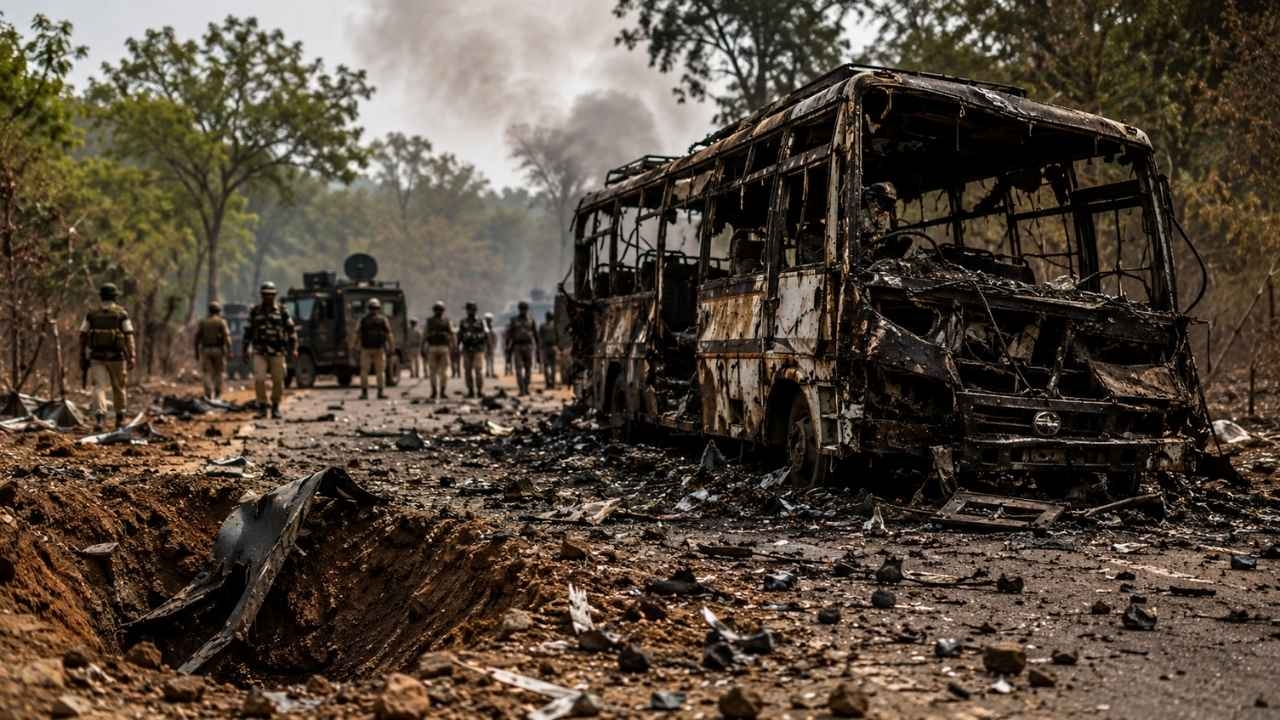
Sixteen years ago, on May 17, 2010, Maoist terrorists from the Communist Party of India (Maoist), also known as Naxalites, carried out a devastating attack in Dantewada district, Chhattisgarh. They detonated a powerful improvised explosive device (IED), or landmine, beneath a private passenger bus on the Dantewada-Sukma road near Chingavaram. This incident marked the first time that Naxalites targeted a civilian bus in such a manner.
Background and Context
The attack occurred just over a month after one of the deadliest Maoist operations in Indian history. On April 6, 2010, Maoists ambushed CRPF personnel near Chintalnar in the same district, killing 76 security personnel, most of them CRPF jawans, in a major setback for counter-terrorism efforts.
Dantewada, located in the mineral-rich Bastar region of Chhattisgarh, has long remained a hotspot of the Naxalite-Maoist terrorism. The area features dense forests and a significant tribal population, whom Maoists historically claimed to represent while fighting against the state and what they described as exploitation. Around that period, the Indian government intensified operations against the red terrorists, prompting retaliatory strikes from the Maoists.
The Attack
The bus, carrying around 55 passengers, though reports varied slightly on the exact number, travelled on a black-top road when it triggered the IED at approximately 4:20 p.m. to 4:30 p.m. The explosion proved massive and completely destroyed the vehicle, scattering wreckage across the area. Maoists had strategically planted the explosive device on a route frequently used by both civilians and security personnel.
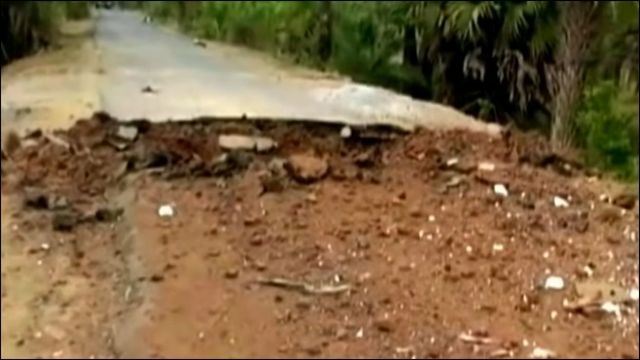
Local police and officials confirmed that the bus carried civilians along with Special Police Officers (SPOs), also known as Koya Commandos, who were local tribal recruits assisting security forces. Maoist spokesperson Ravula Srinivas alias Ramanna later claimed that the attack specifically targeted the Koya Commando wing.
Casualties
Casualty figures varied in the initial reports because of the remote location and difficulties in immediate identification.
Approximately 35 to 44 people lost their lives, including 24 civilians and 11 to 13 Special Police Officers. Some reports also included the driver among the deceased. Around 15 to 27 people sustained injuries, while authorities shifted several critically wounded victims to nearby hospitals for treatment.
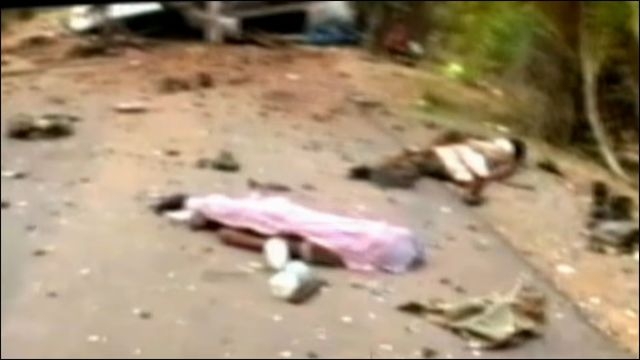
The intensity of the blast mangled many bodies and complicated immediate recovery efforts from the wreckage. The high civilian death toll drew widespread condemnation across the country, as the attack deliberately, or recklessly, struck a mixed passenger vehicle carrying ordinary civilians alongside security personnel.
Today, sixteen years after this heinous attack, Bharat stands firm against the menace of red terror. Over the years, security forces intensified operations against Maoist terrorists across affected regions, significantly weakening their presence and influence. The country continues its efforts to eliminate red terror from Bharatiya soil while working to restore peace, development, and stability in regions once severely affected by Left-Wing Extremism.
Written by

Kewali Kabir Jain
Journalism Student, Makhanlal Chaturvedi National University of Journalism and Communication